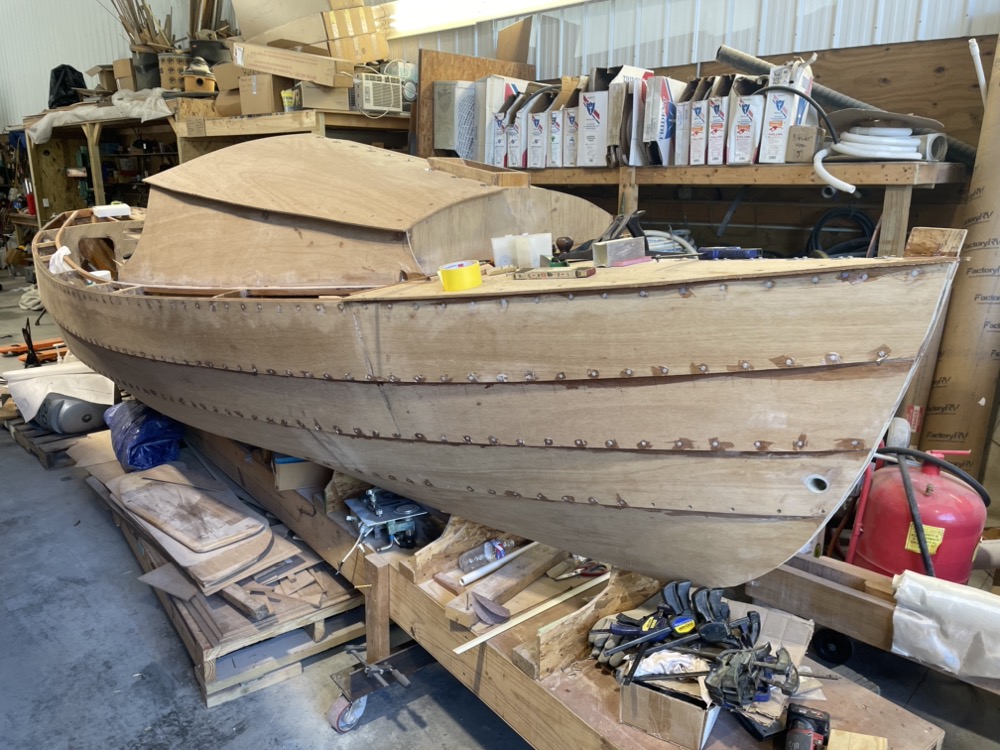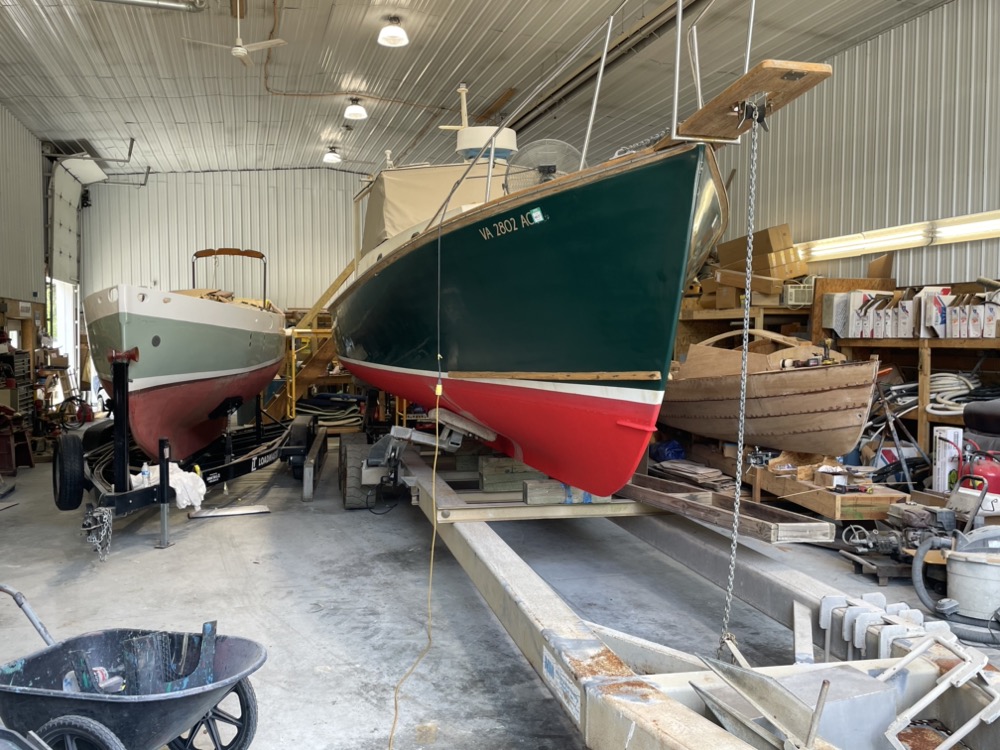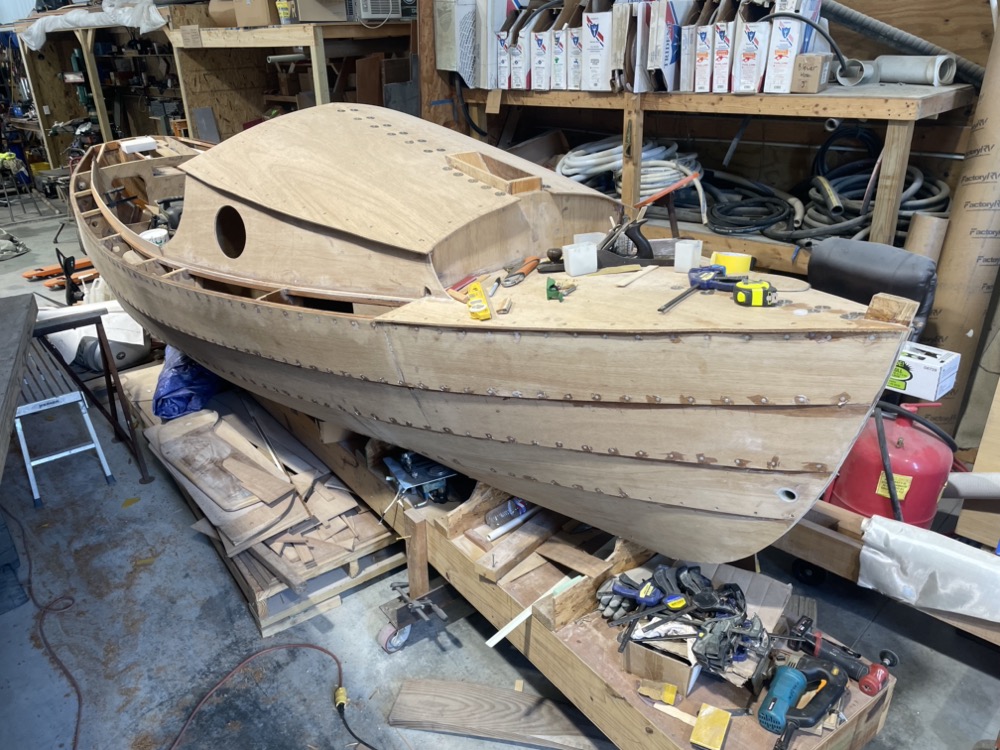
Long Steps Build #14

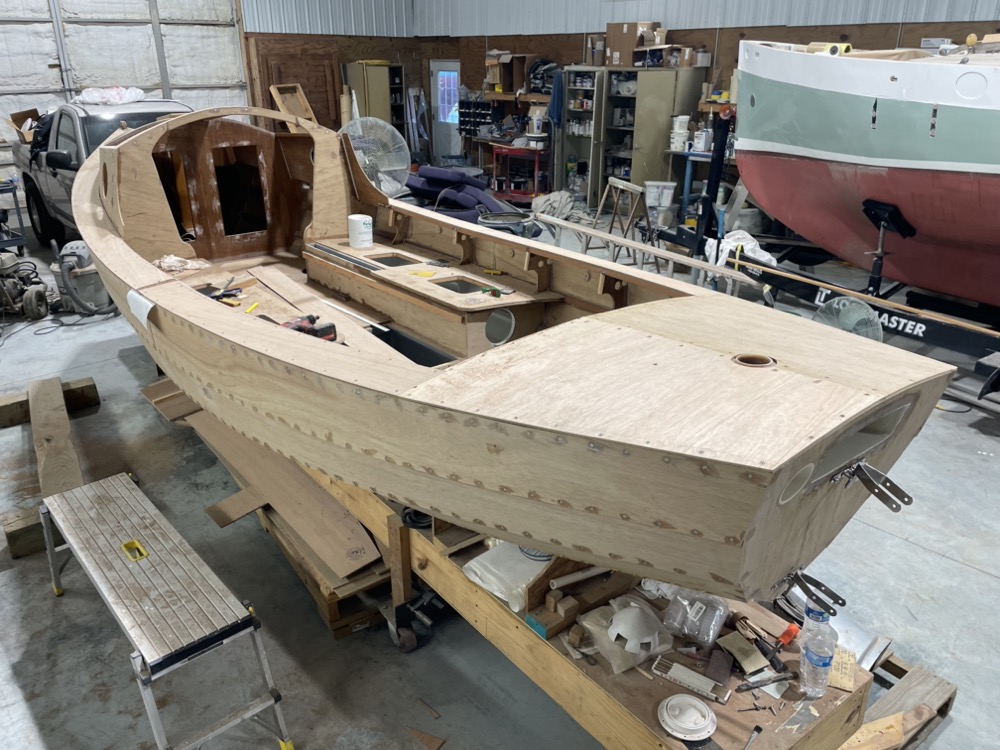
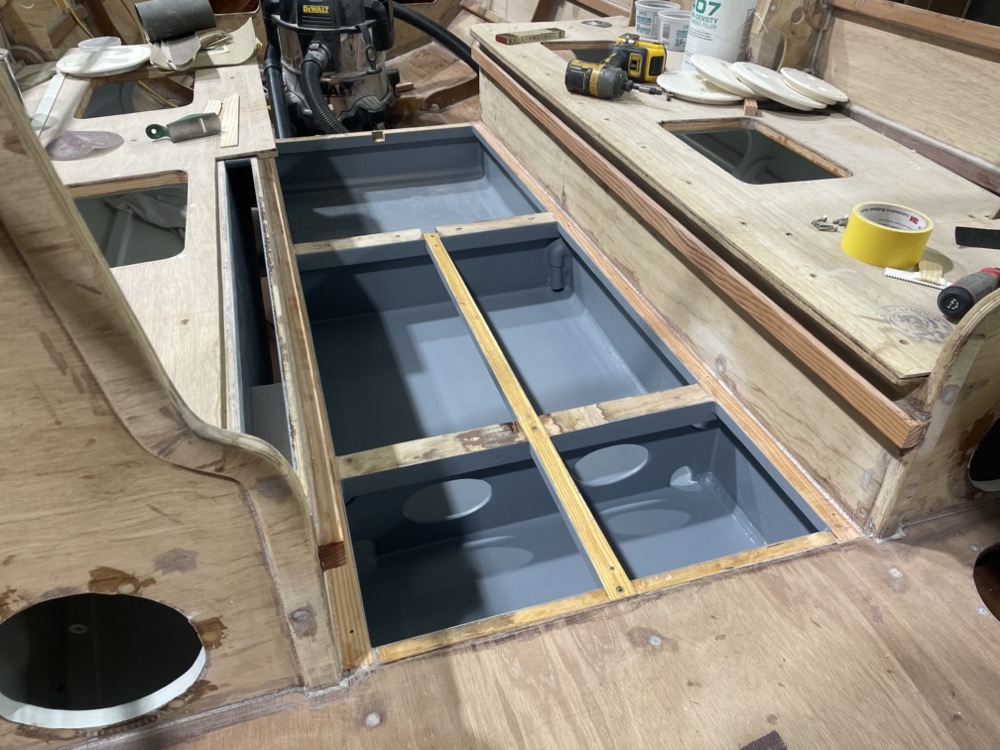
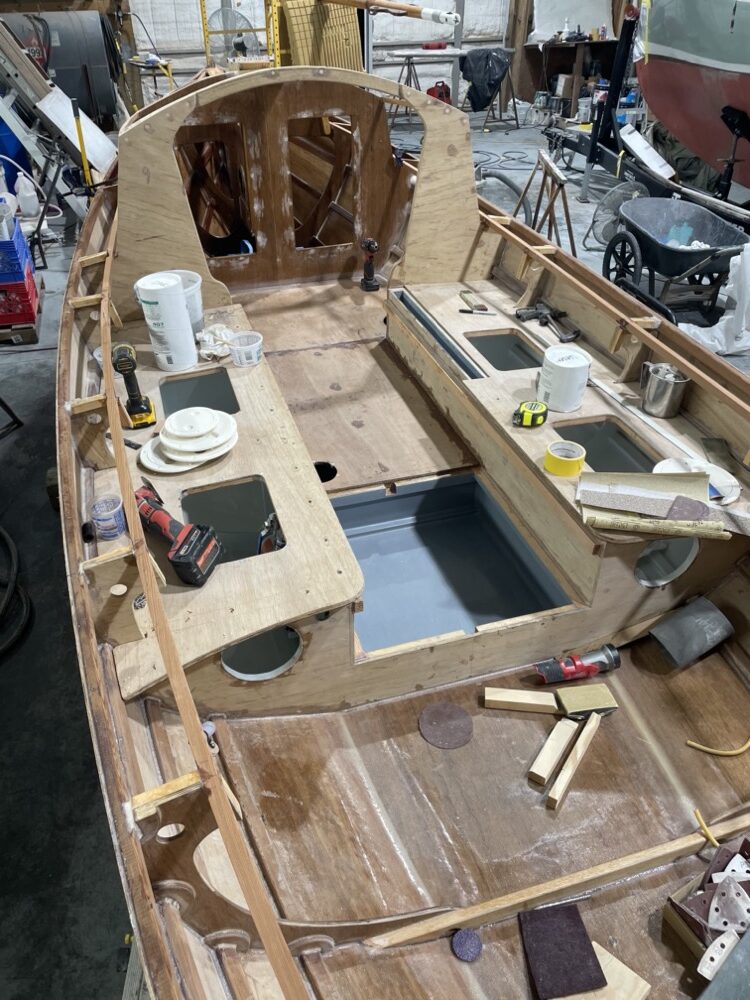
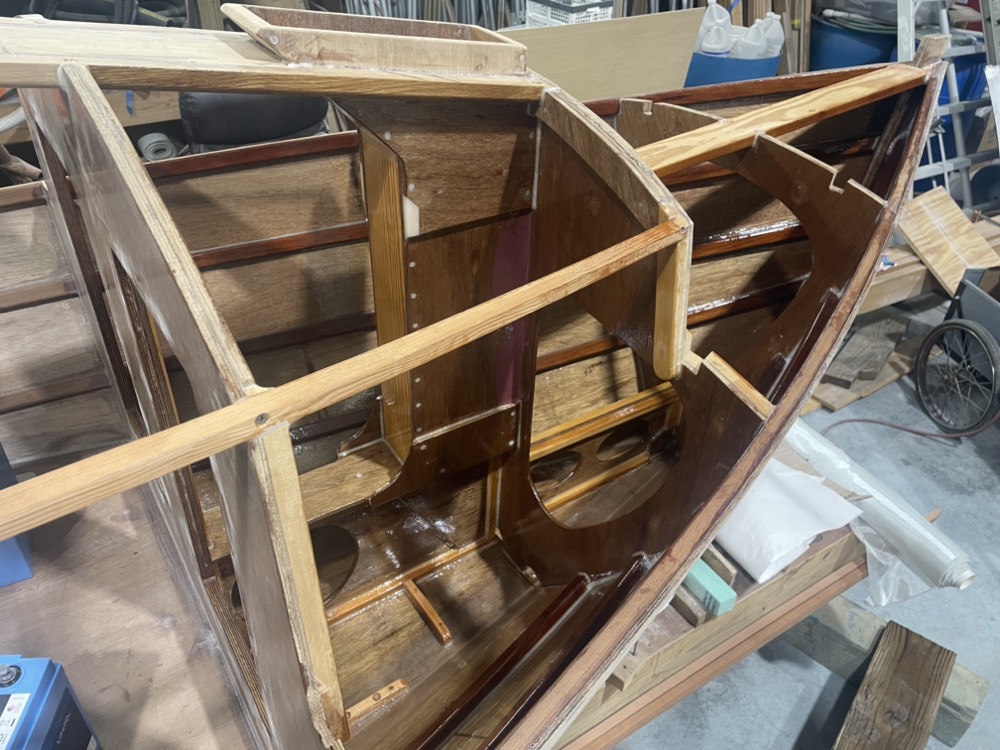
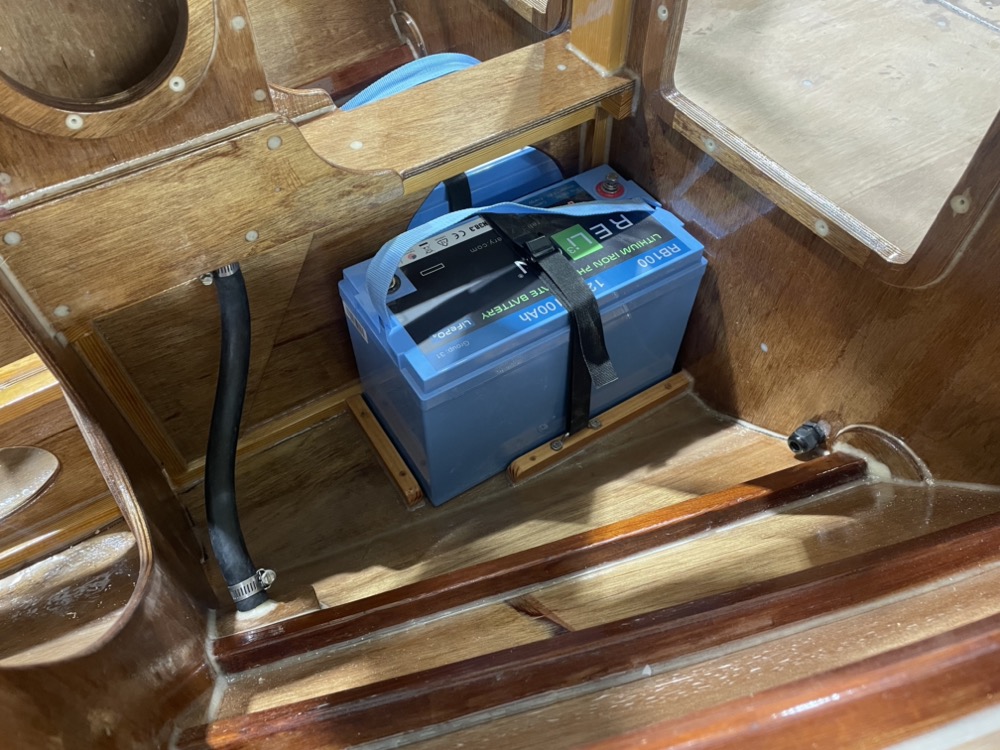
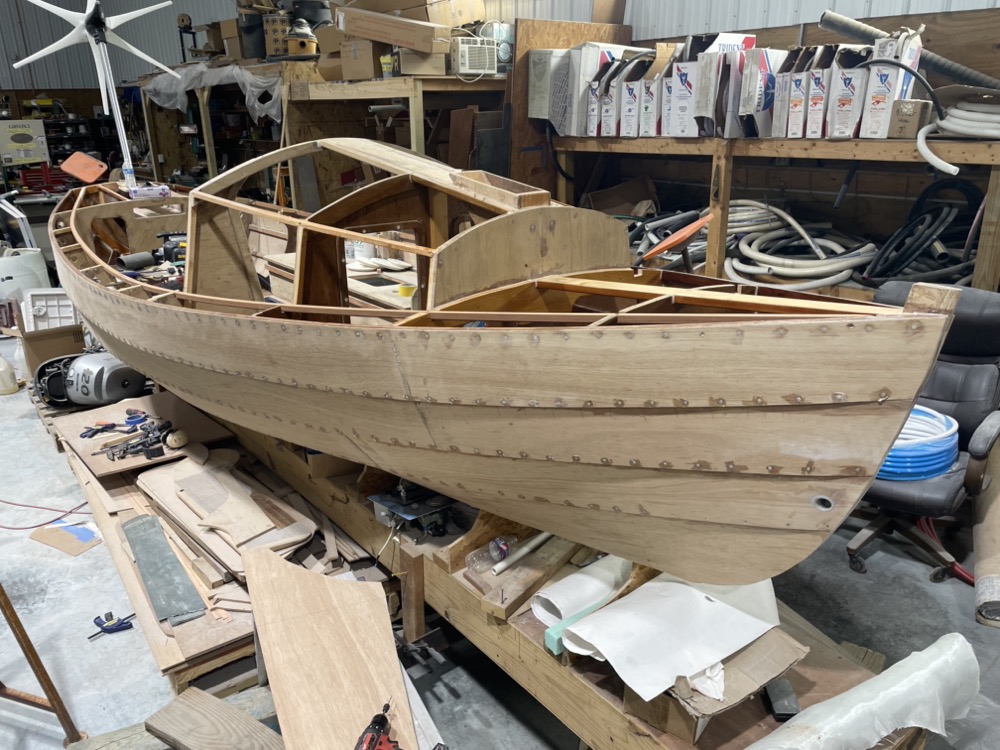
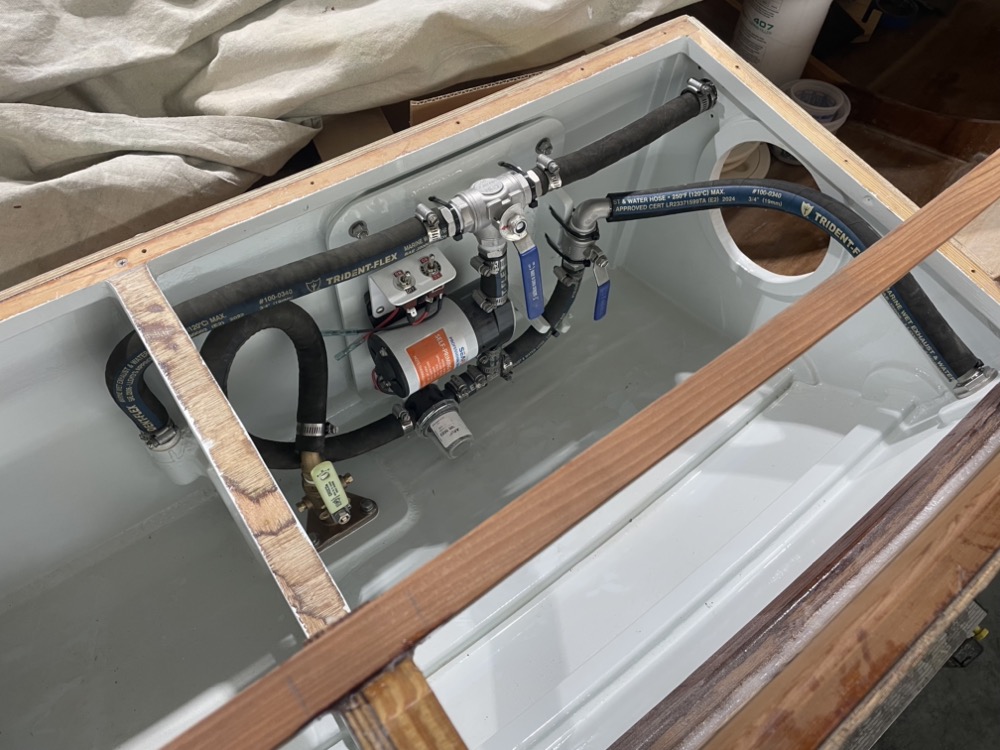
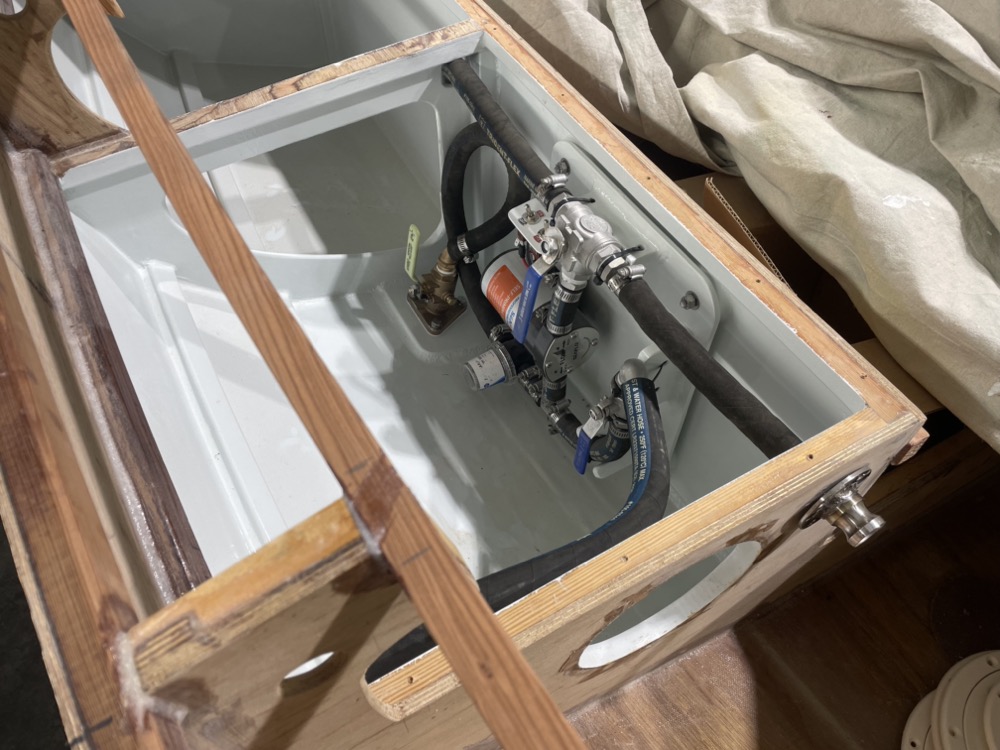
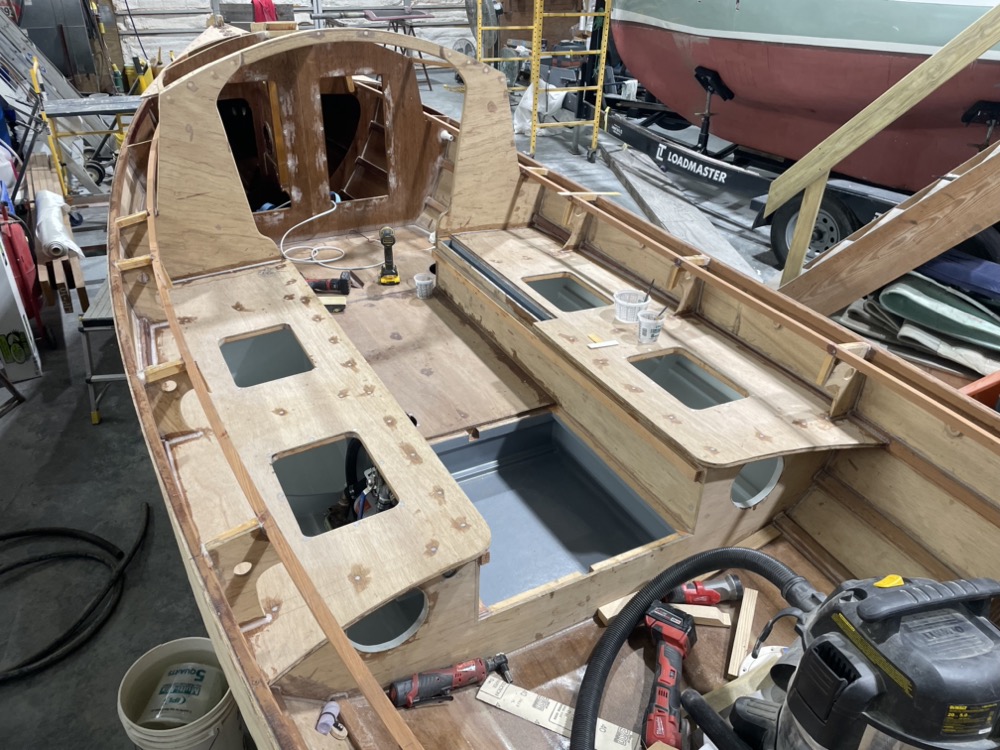
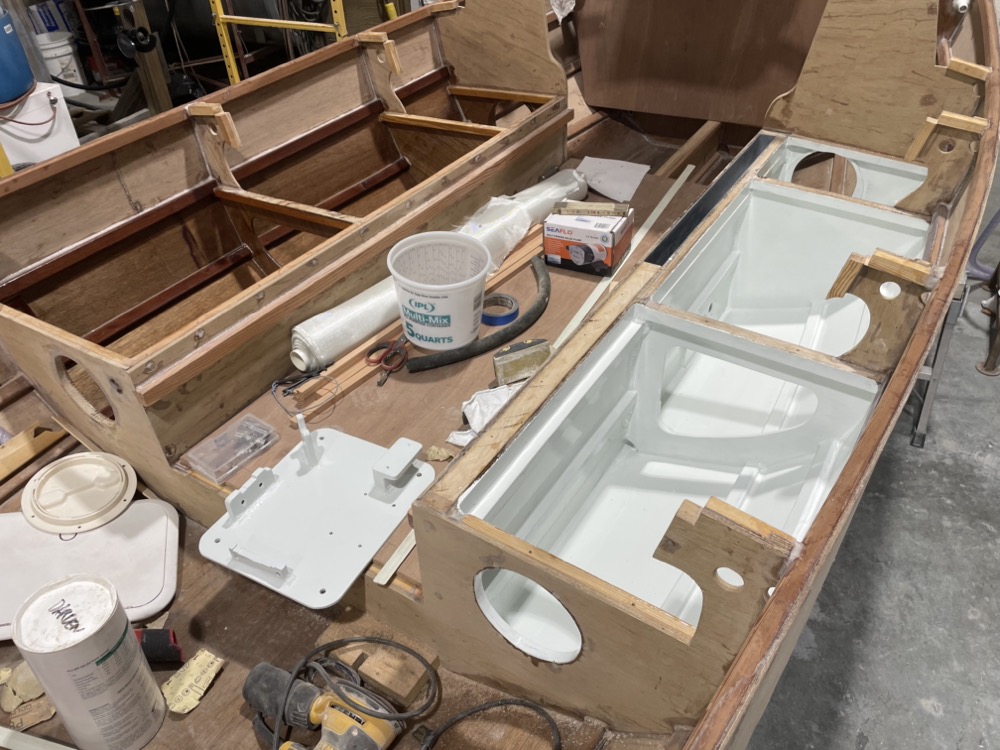
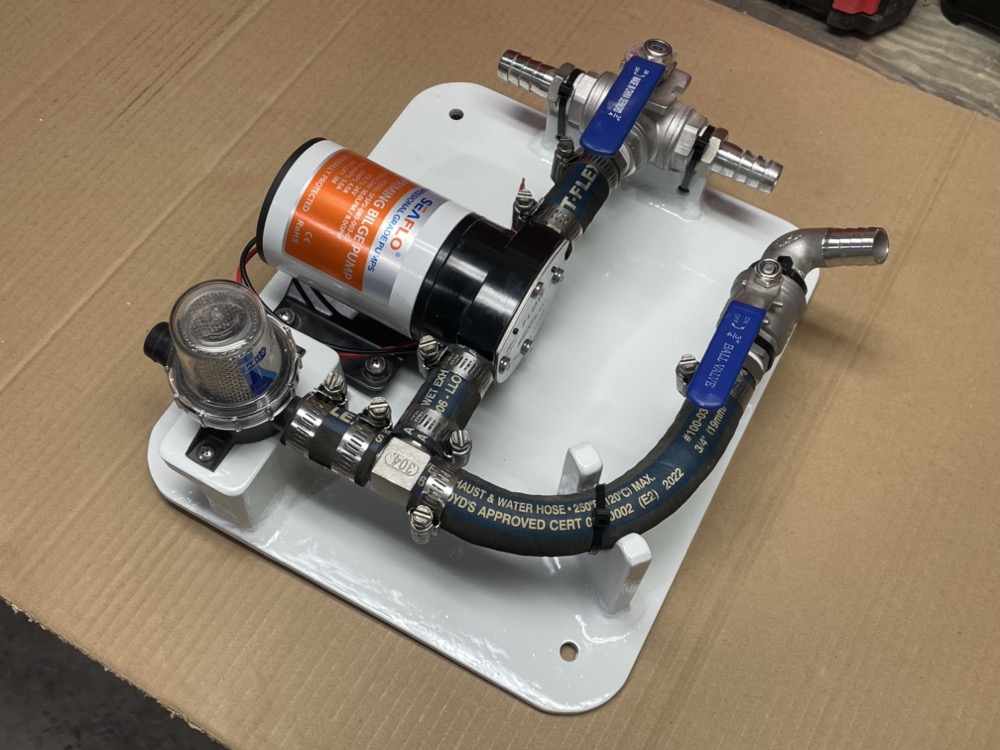
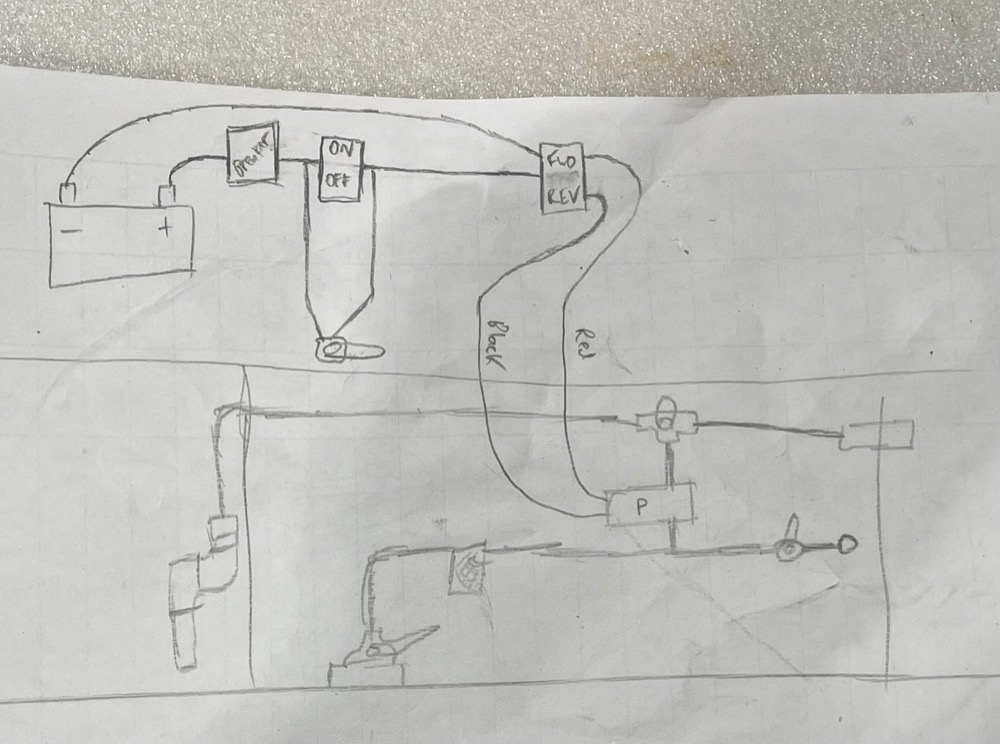
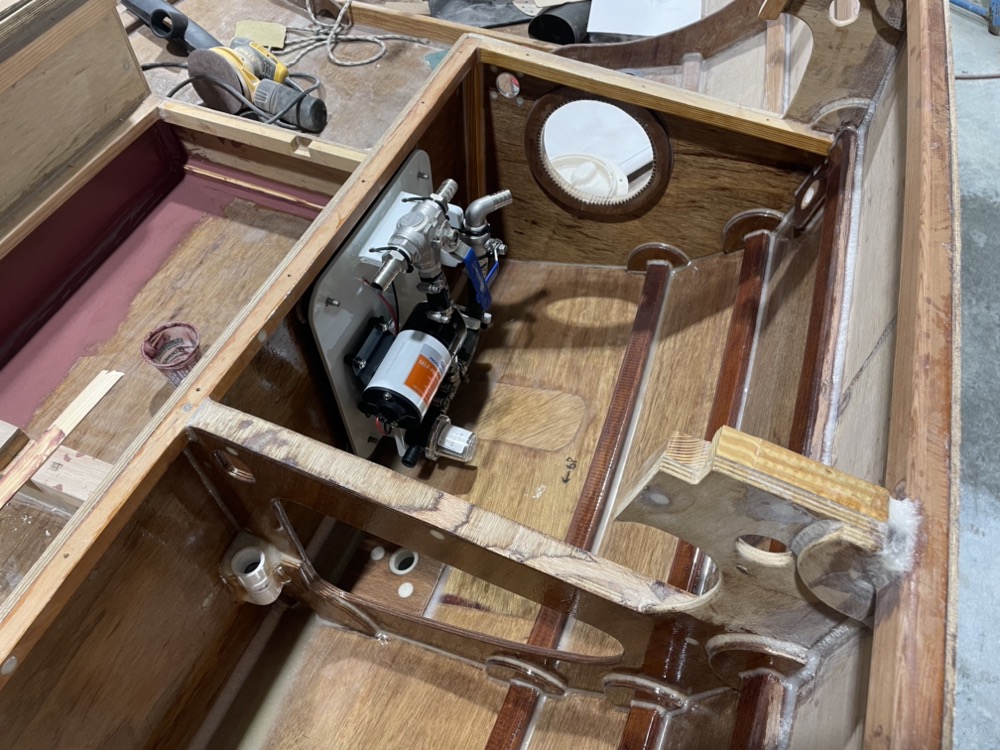
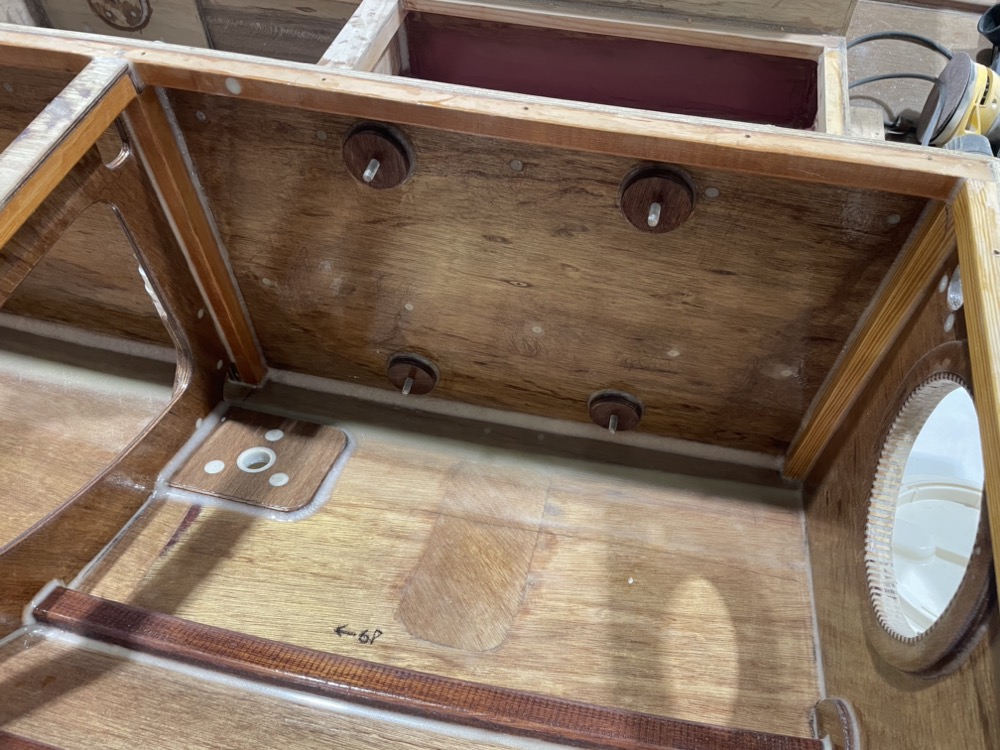
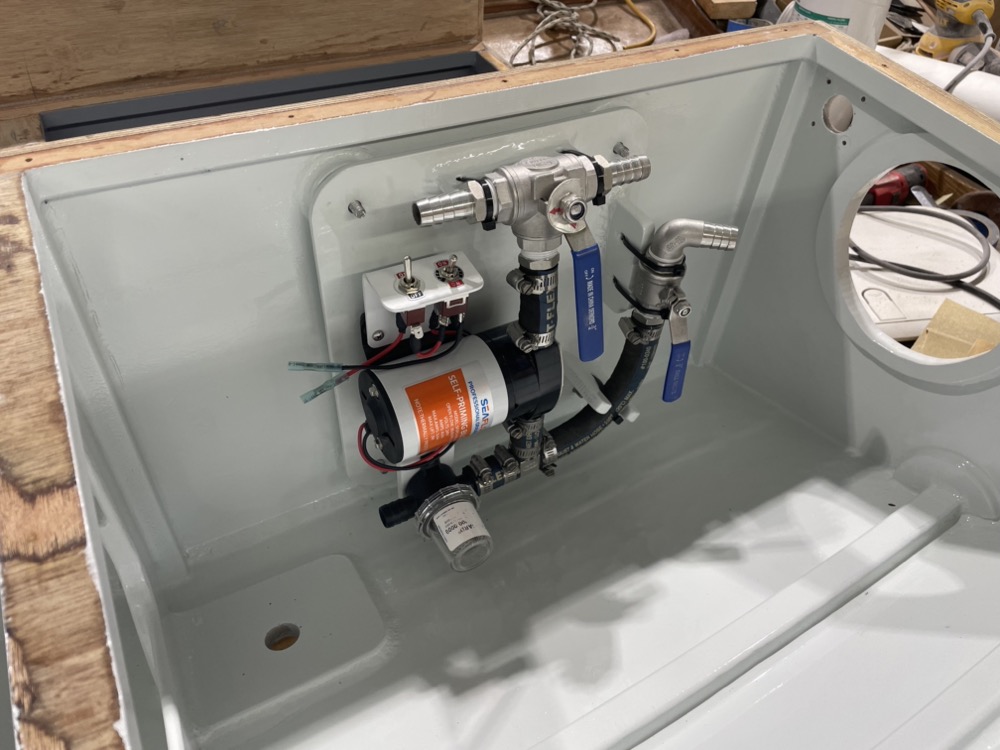
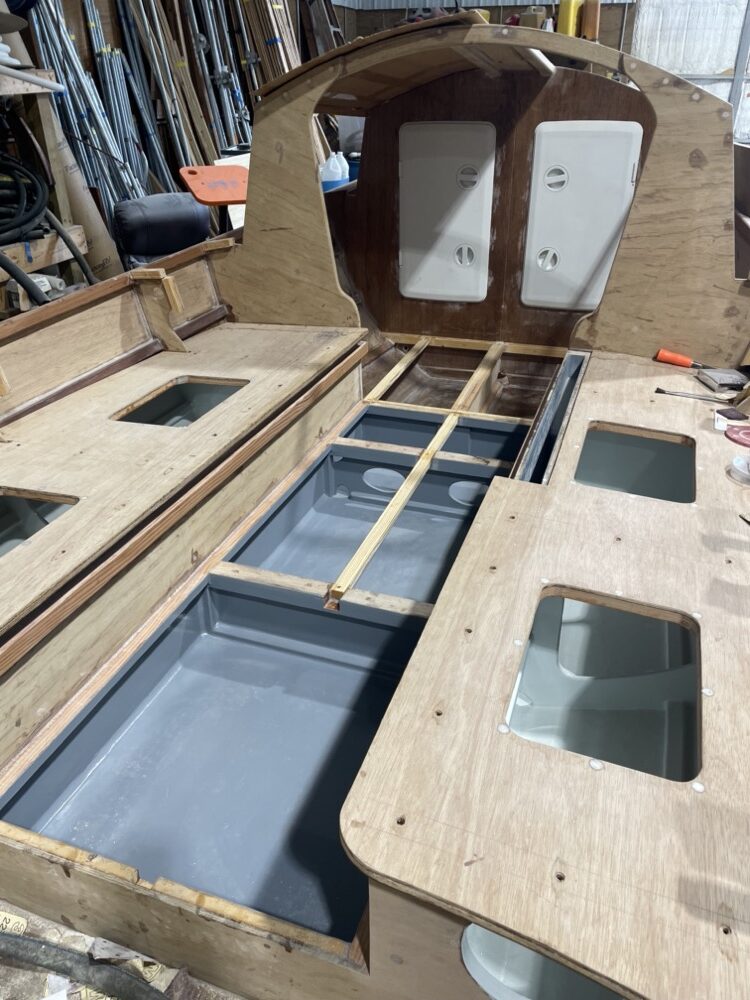
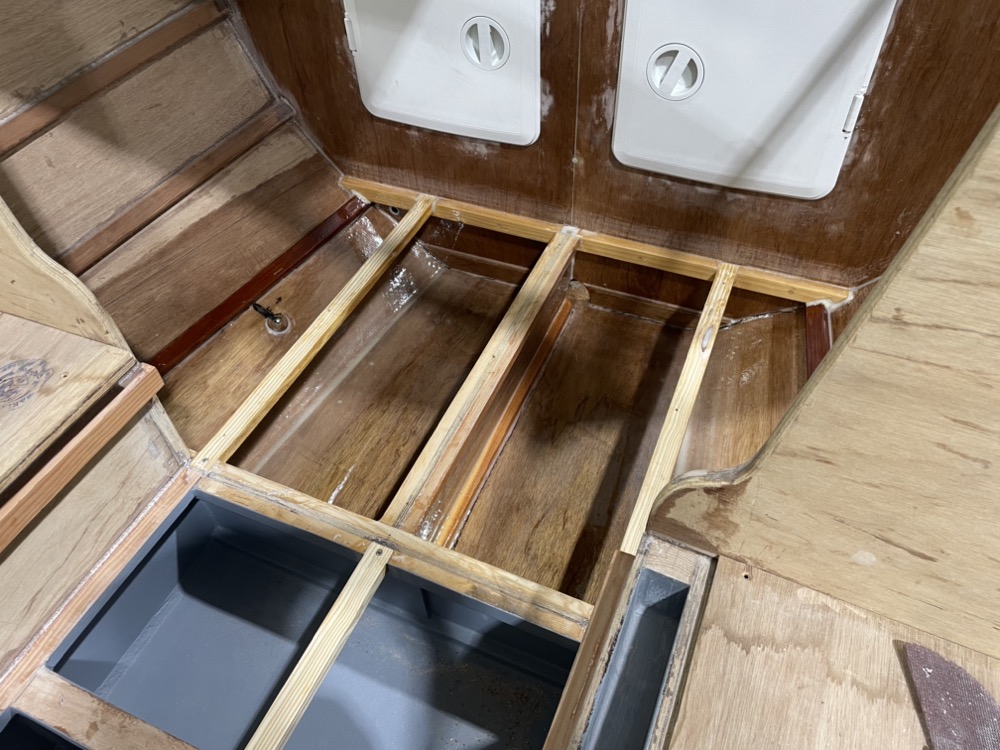
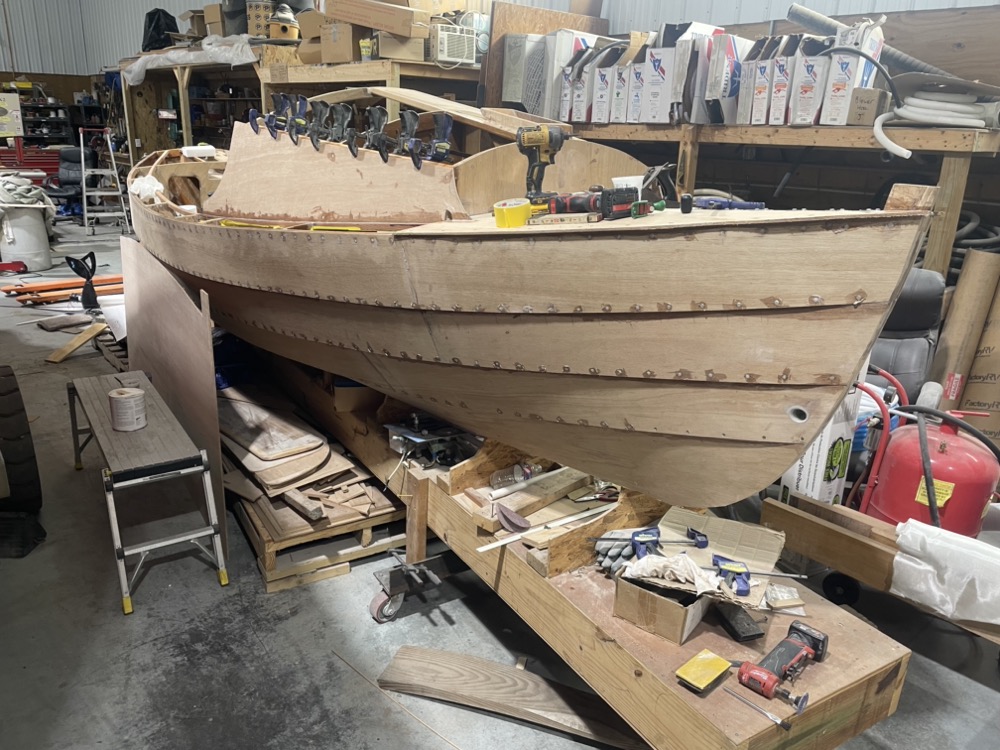
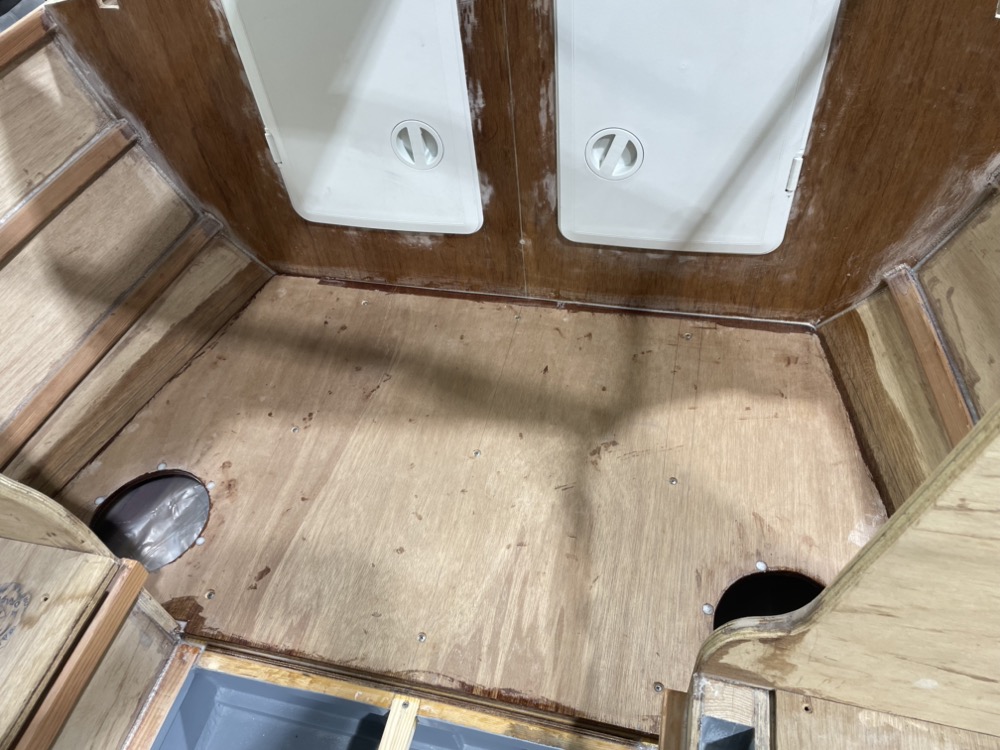
It’s been a while since I’ve had much to post. December was super busy hauling boats out so not much got done. Since then I’ve been doing a lot of smaller jobs on my boat but not really completing much of anything. Plus we have a varnish job in the shop which has put a bit of a crimp on how much dust I can make at times. But I have been doing lots of epoxying and filleting under the two side seats so hopefully soon I can glue the lids on. I’ve also been working on the ballast tank plumbing and electrical glands and conduit.

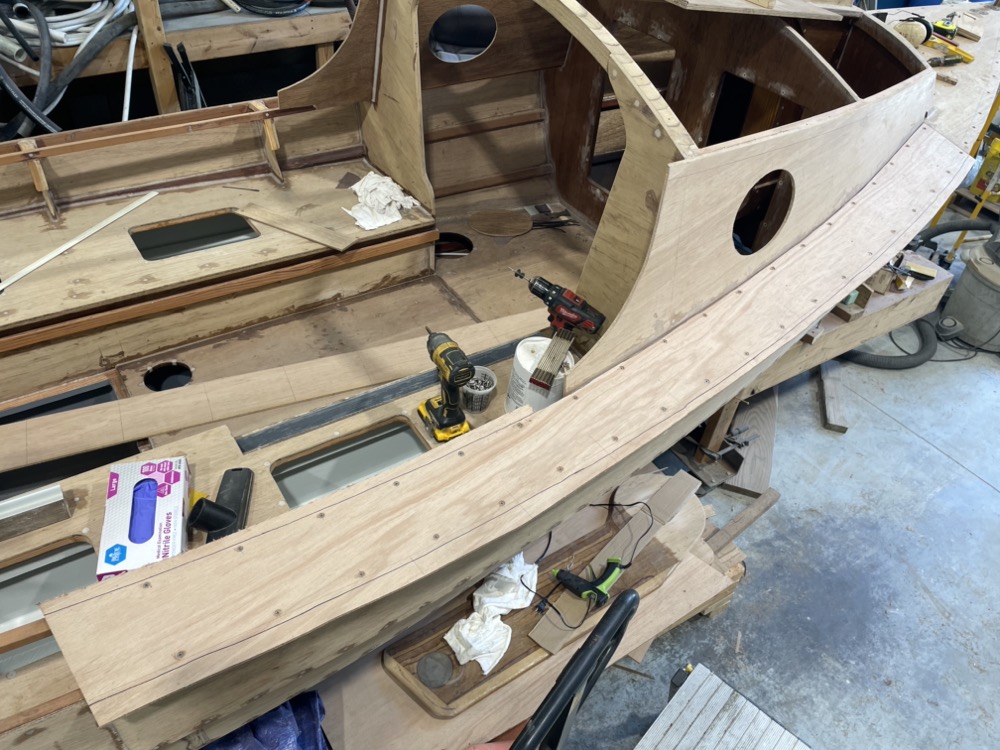
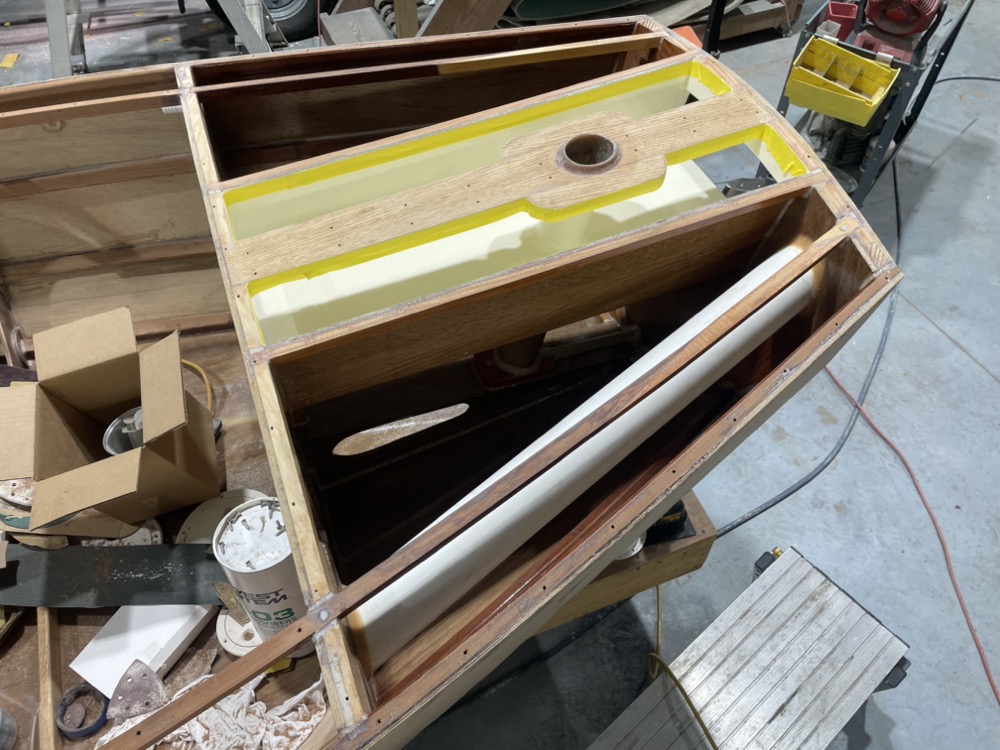
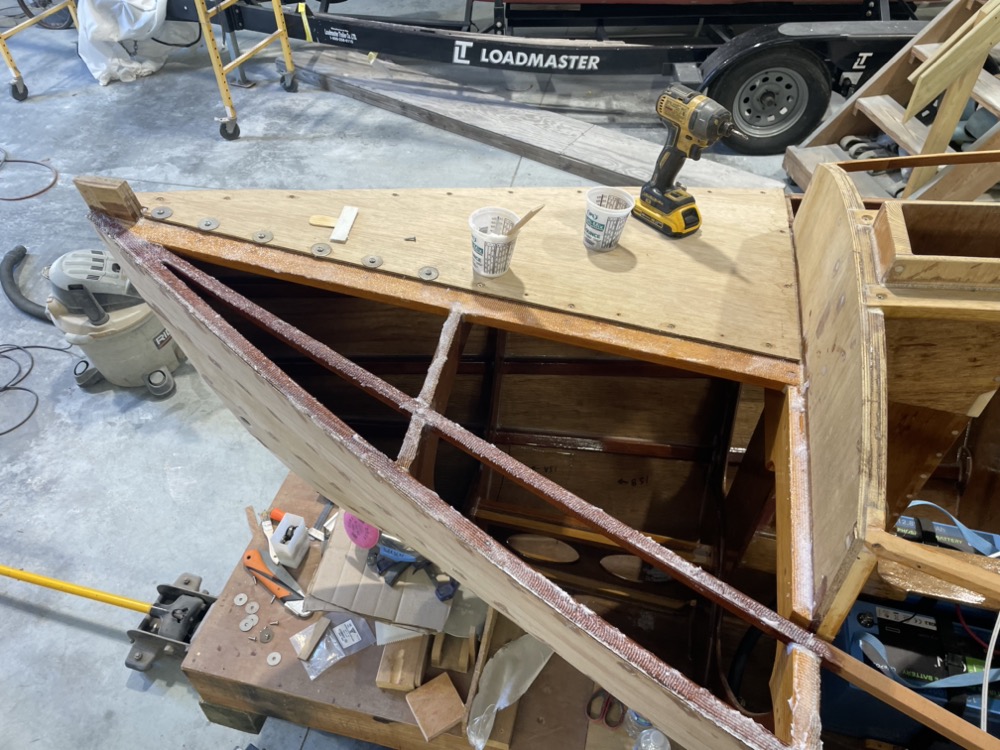
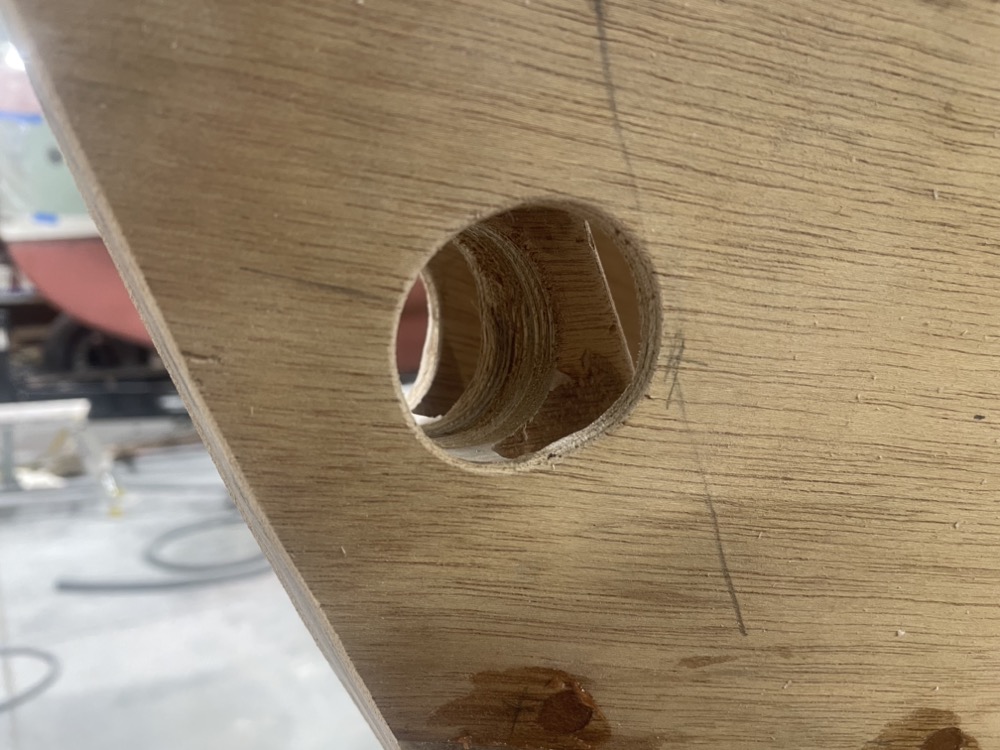
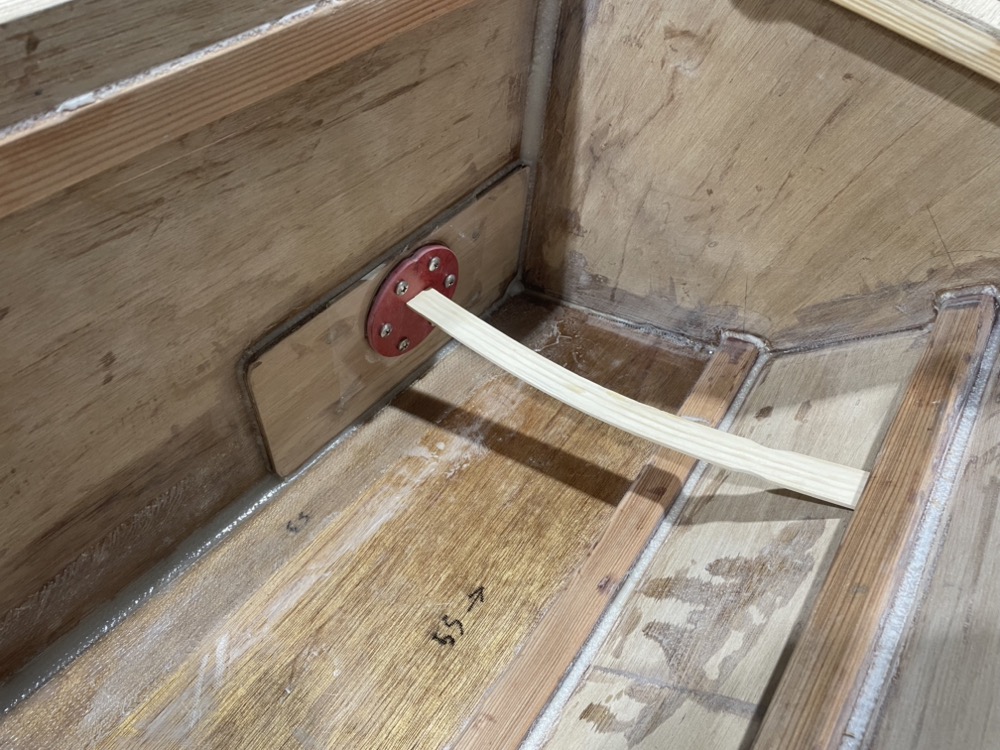
One job I’ve completed is the off-centerboard pin. The trunk makes up the starboard side seat front so it’s out of the way for sleeping on the centerline. The pin is below the waterline and inaccessible one one side and awkward to get to on the other, so I’m trying to pay particular attention to make it watertight and rot proof. The inboard side has a plywood cap epoxied on inside the ballast tank while the outboard side has a removable cover so the pin can be removed. I made the cover from 1/4″ GPO-3 . The spot for the pin itself is epoxy thickened with 404.

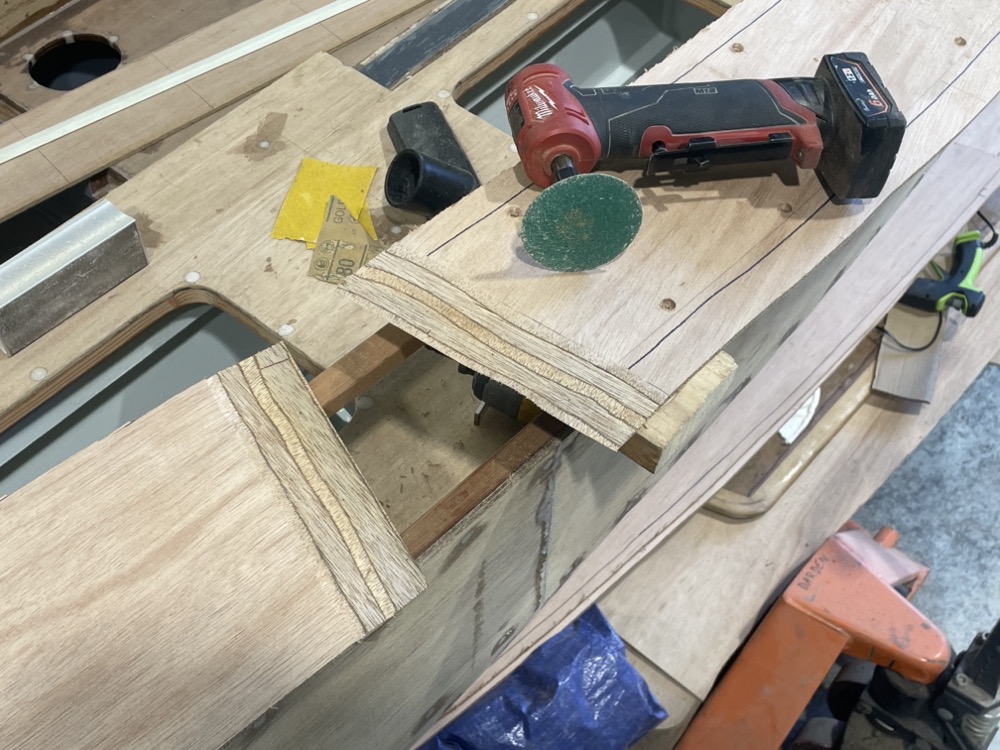
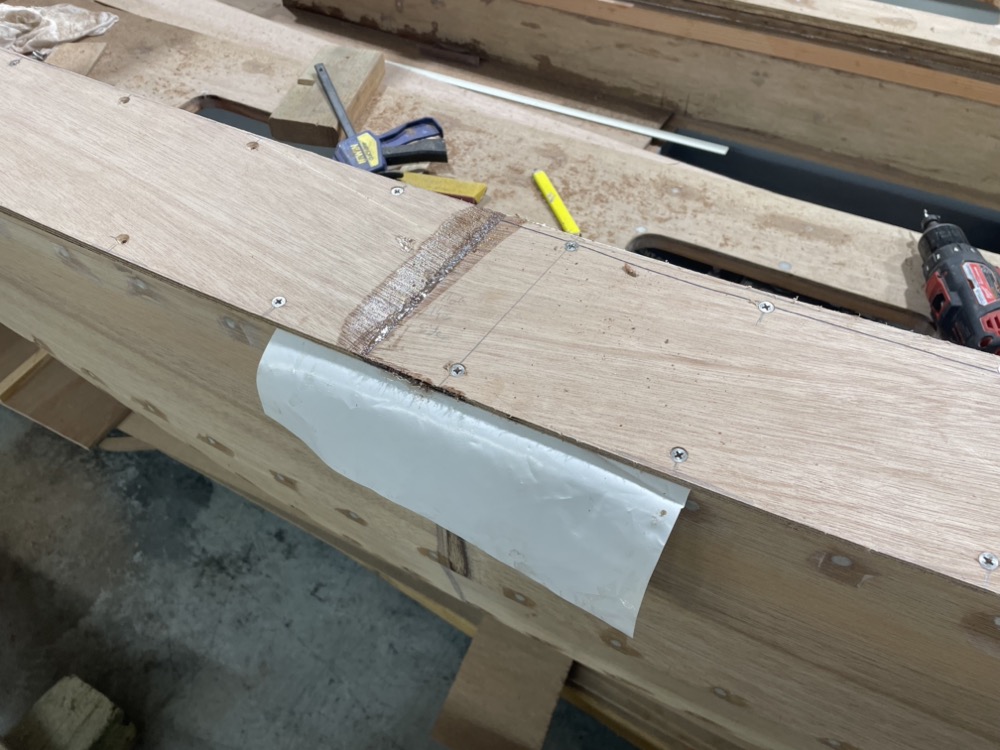
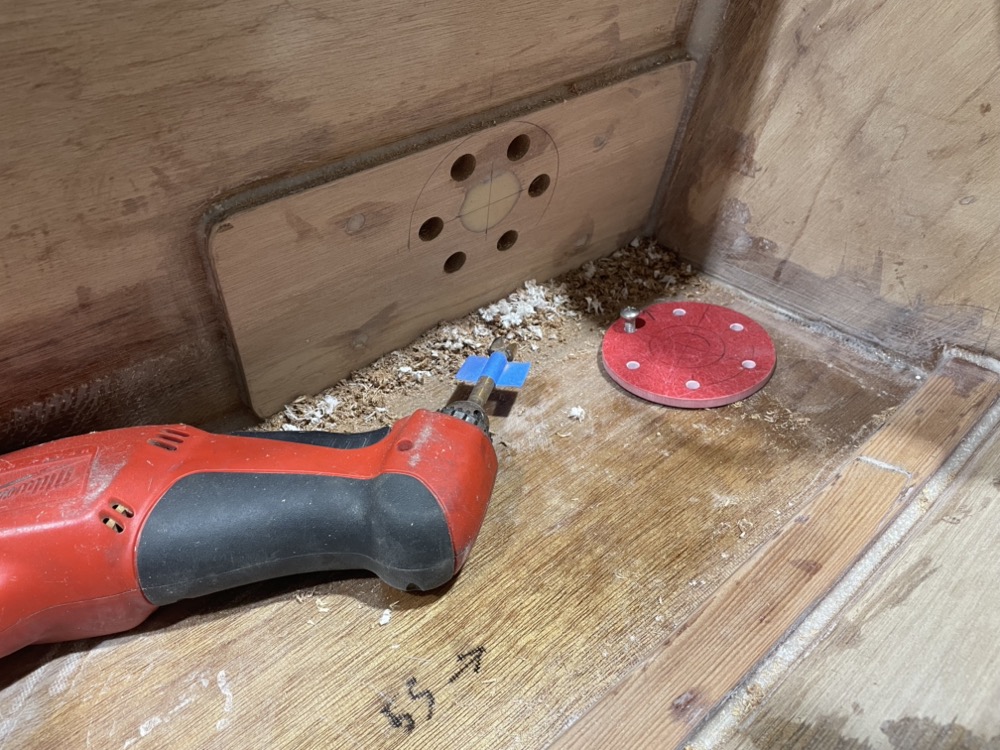
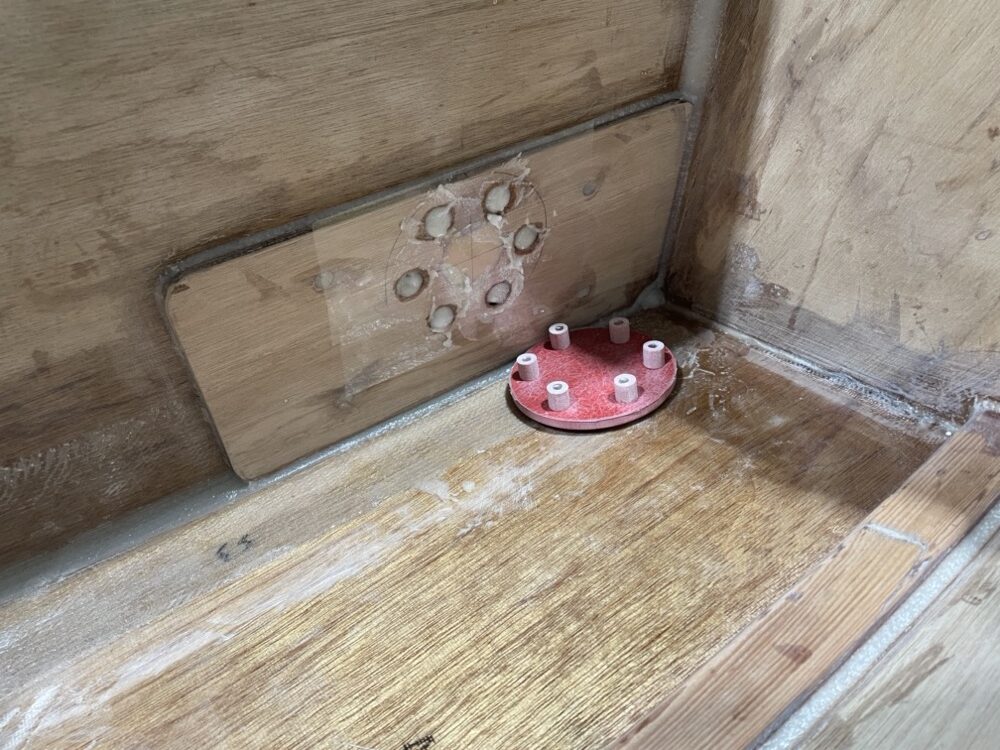
I could have drilled and tapped the oversize holes, but it would be difficult to do and I likely wouldn’t have drilled the holes perfectly straight. So I made some GPO-3 threaded bushings and glued them in. I covered the cover plate and plywood with packing tape so I’d be able to get them off again.

Then I glued it in place. The bushings were about 1/16″ long so after it cured I removed the cover plate and sanded everything down flush.

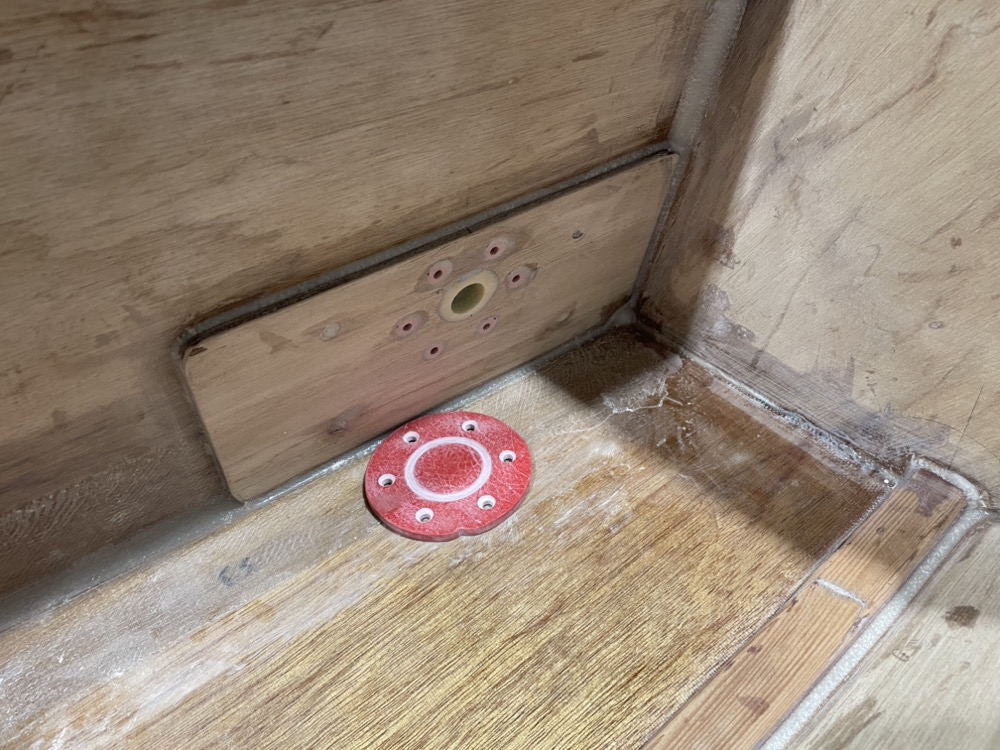
Next I put the cover plate in my lathe and turned a groove for the 4200 to form a bit of a gasket. I also heavily countersunk the holes so they’d have plenty of sealant too. A notch at the 12 o’clock position provides an alignment reference, although I laid the holes out pretty accurately so it might fit in any orientation.

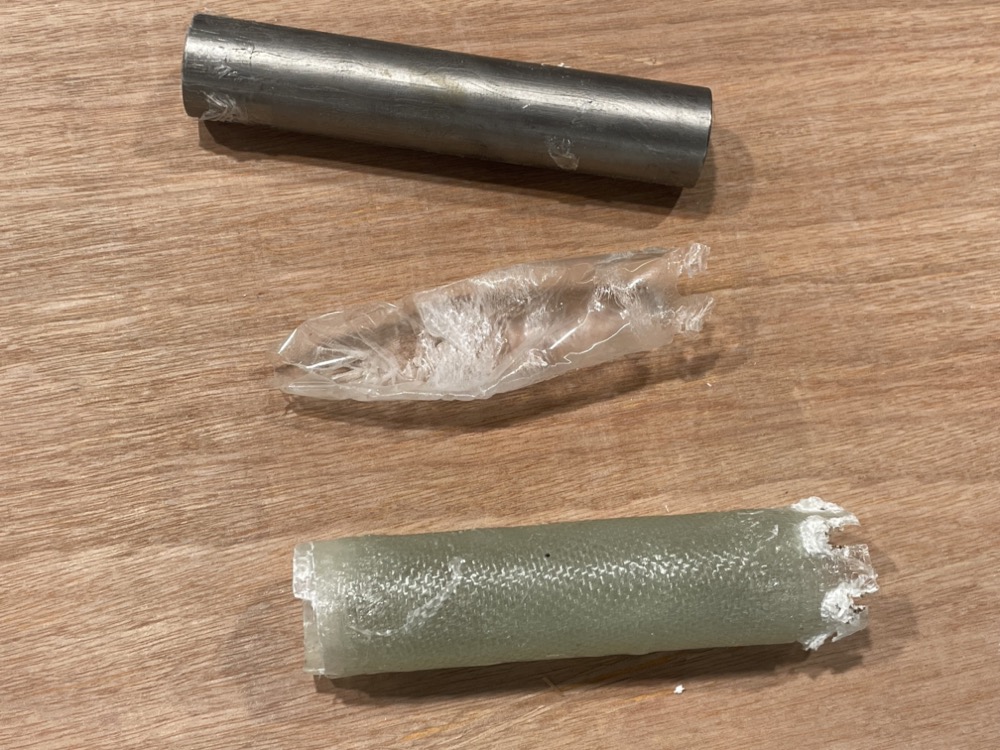
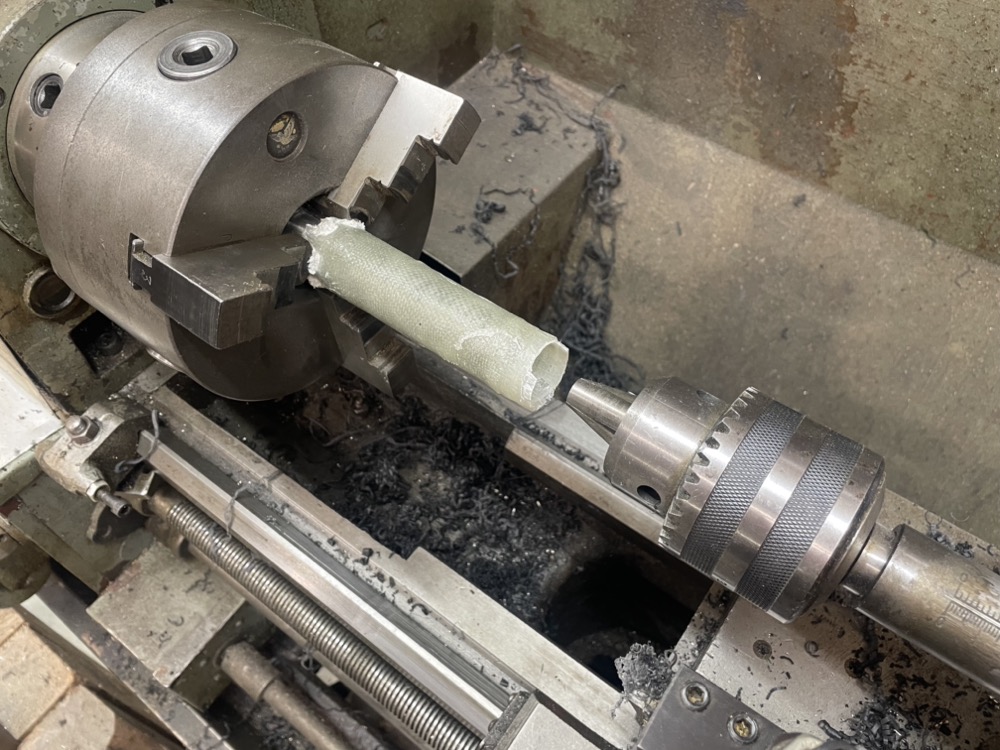
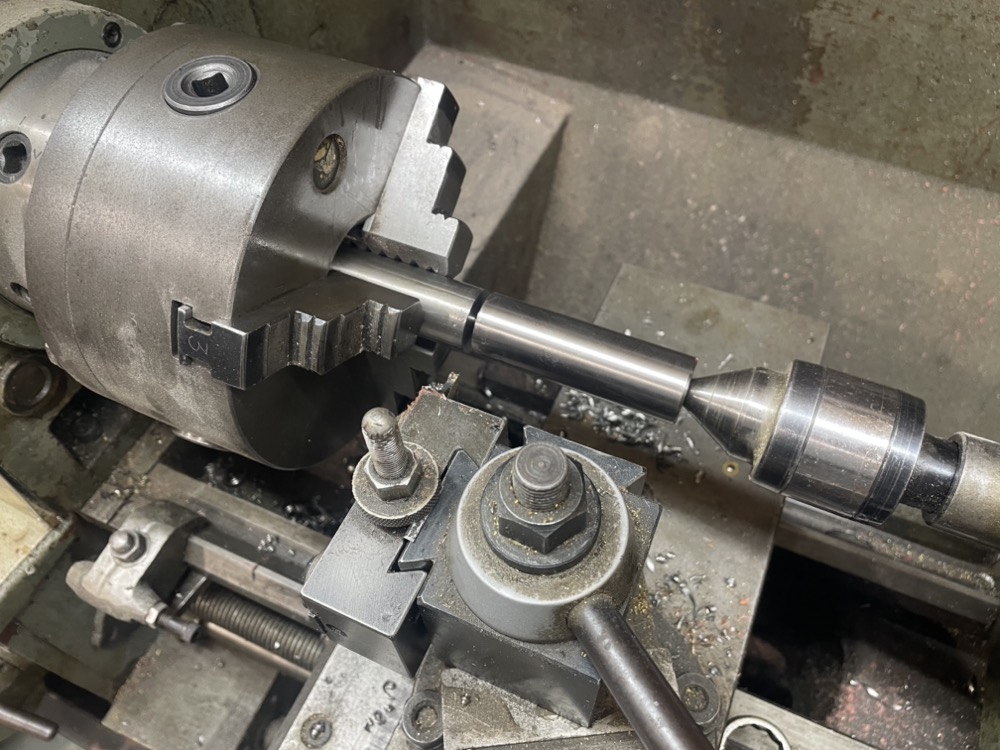
Next I needed a centerboard pin. I’ve had a 1″ diameter bar of titanium floating around after I machined my wife’s engagement and our wedding rings from it. I haven’t thought of anything better to do with it in nearly a decade so I made the pin out of what was left. I don’t recommend parting with the tailstock, but I forgot to take a picture until after I’d already cut it off. So I just stuck it back in place for the photo.

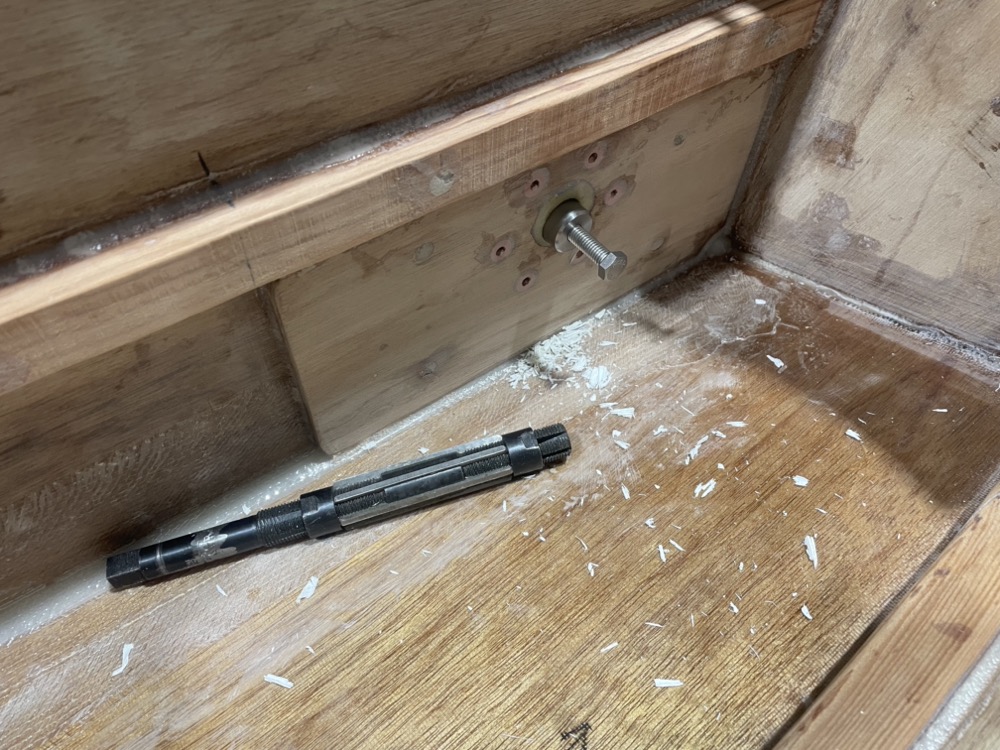
Next I drilled a 15/16″ hole and reamed it out to accept the pin with an adjustable reamer. There’s a 3/8-16 hole so I can get a bolt on it to pull it out when I need to remove the board. The starboard seat insides are finally done and ready for epoxy and paint. I still haven’t decided what paint to use though!

Long Steps Build #13

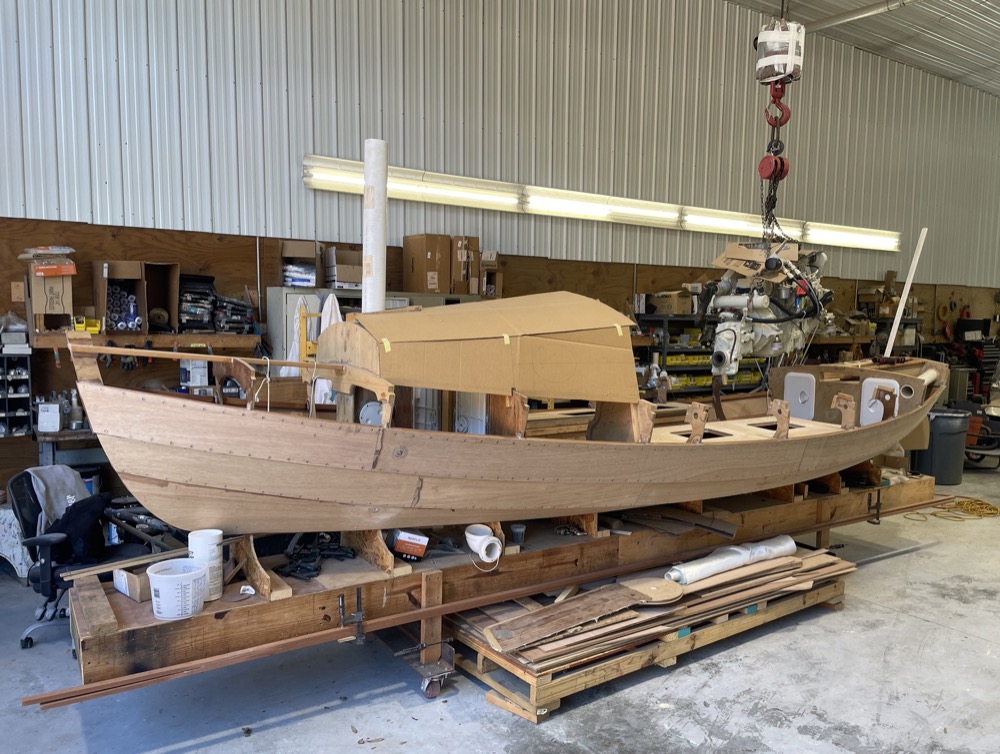
Not being the biggest fan of rowing, my buddy and I tried to set a Universal 5432 engine into the boat to see how it’d fit. It looks like it’ll be a little large, but the V drive should help with the angle.

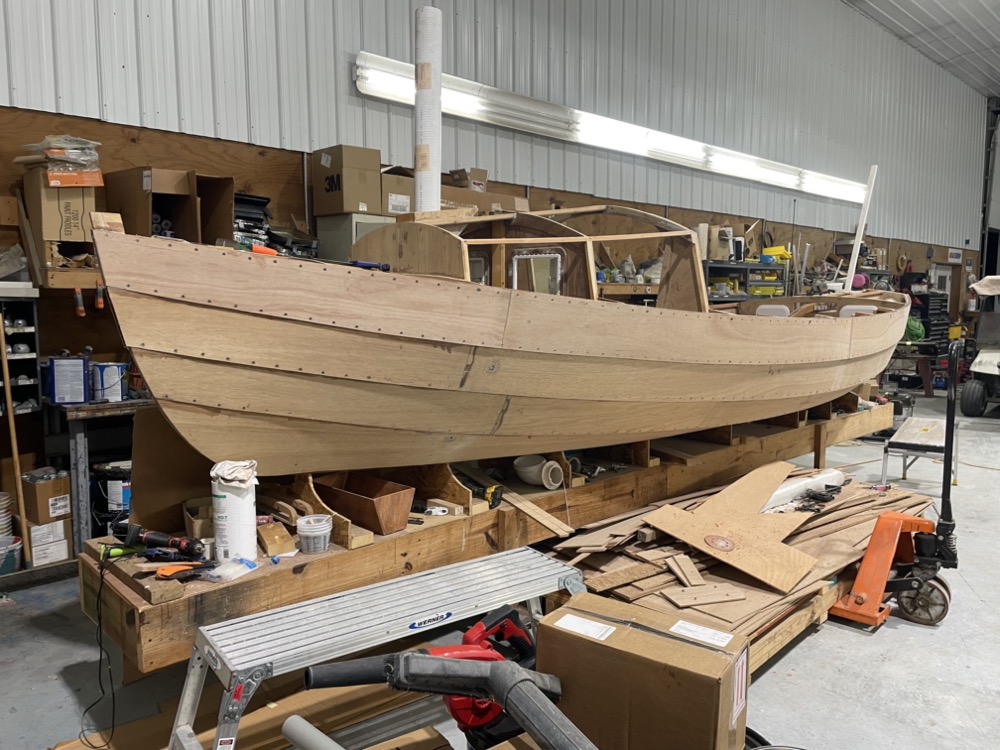
Finally working on the last pair of planks. After dry fitting I primed everything with straight epoxy so the wood won’t absorb the resin out of the 403 microfibers.

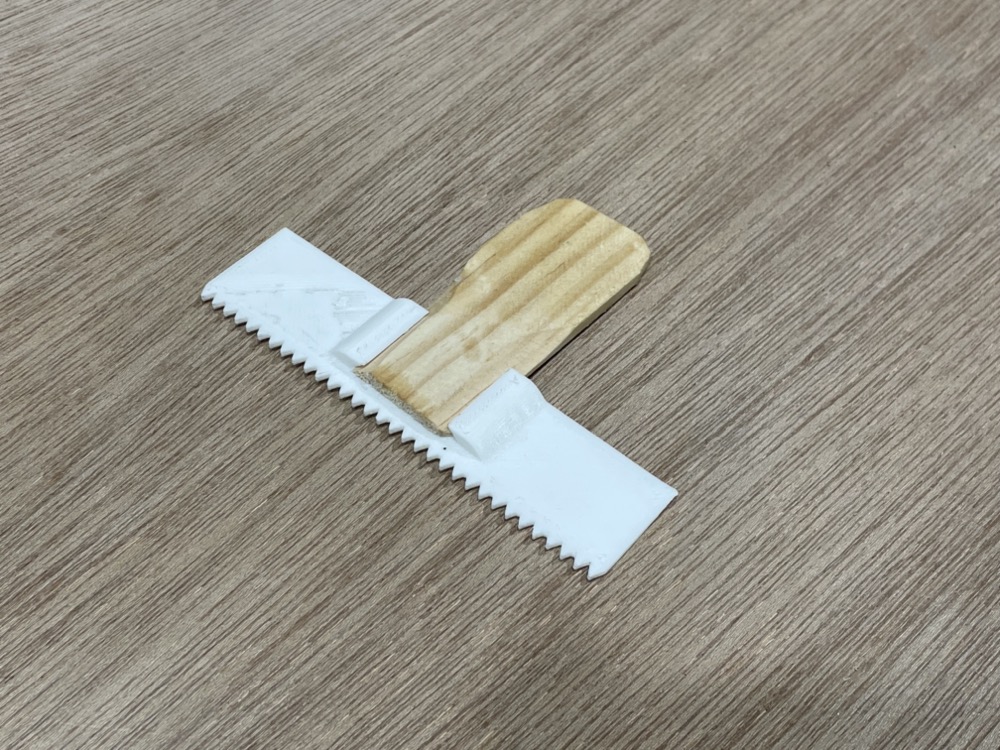
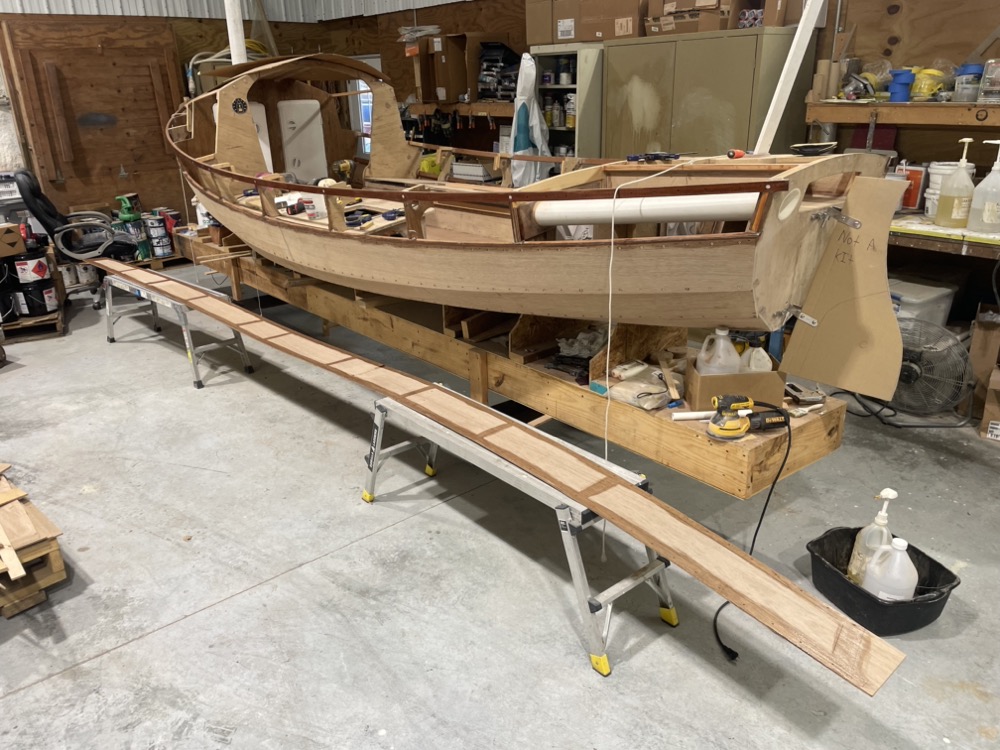
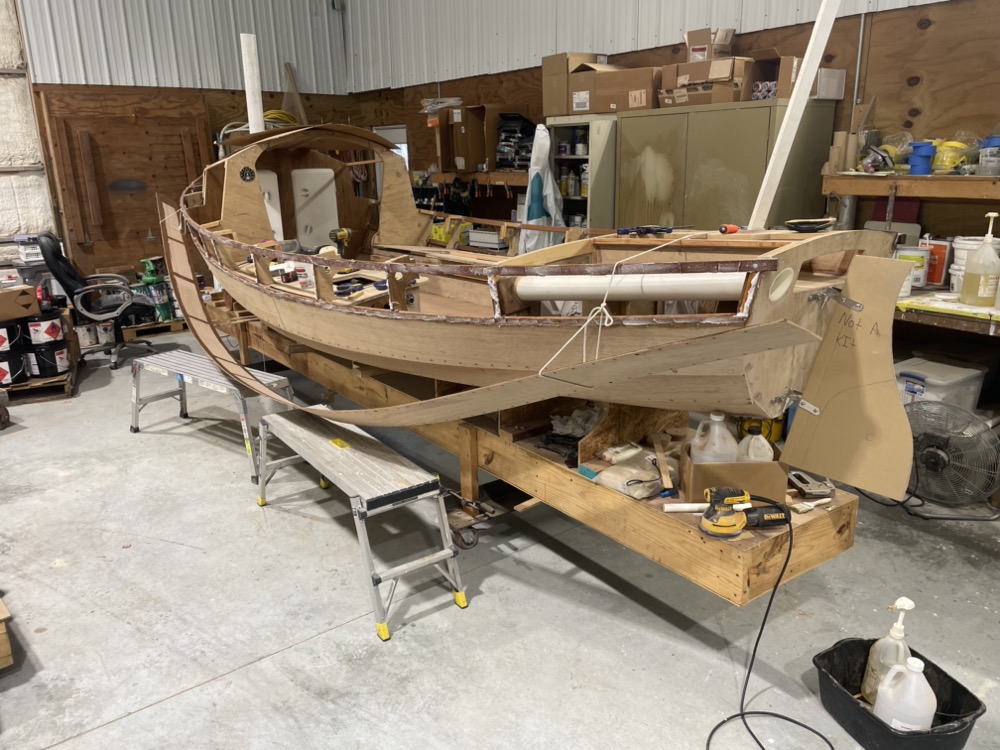
Then I slather on the thickened epoxy with a notched spreader and use my two hanging strings and work platforms to support the plank. It’s been difficult hanging planks alone, but it all works out. I don’t generally take pictures during this step since my hands are gooey but I figured I’d take a few since this is the last set.

Then I come back and drive all the screws in, clean up the squeeze out, and make nice fillets at all the interior joints. It takes about 2.5 hours to install a plank and about 12oz of epoxy.

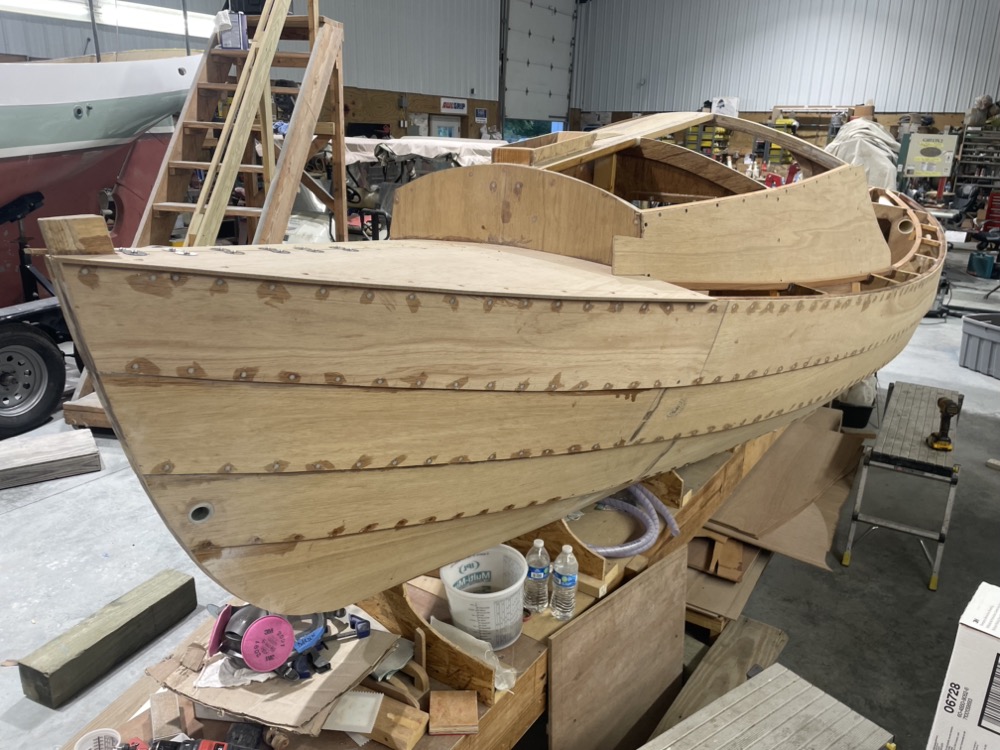
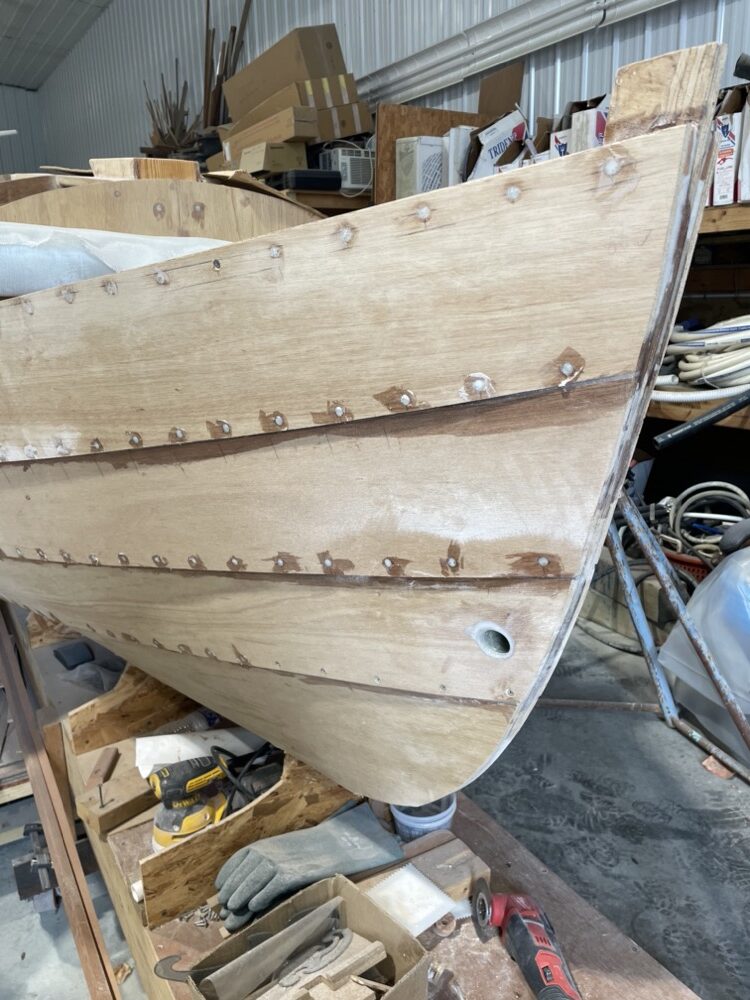
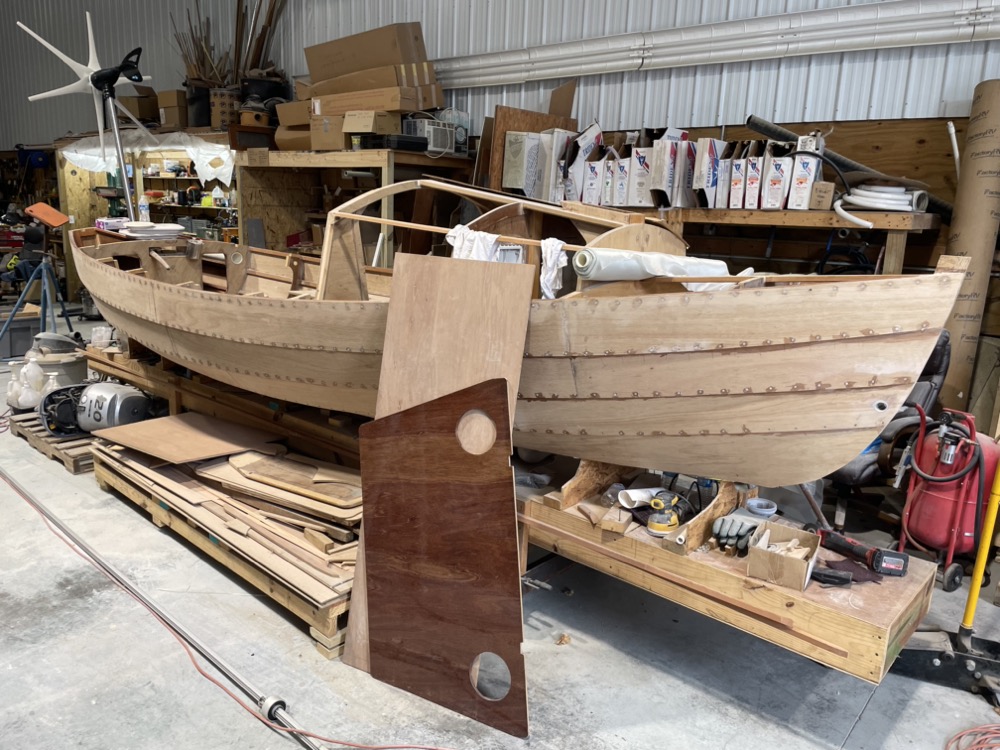
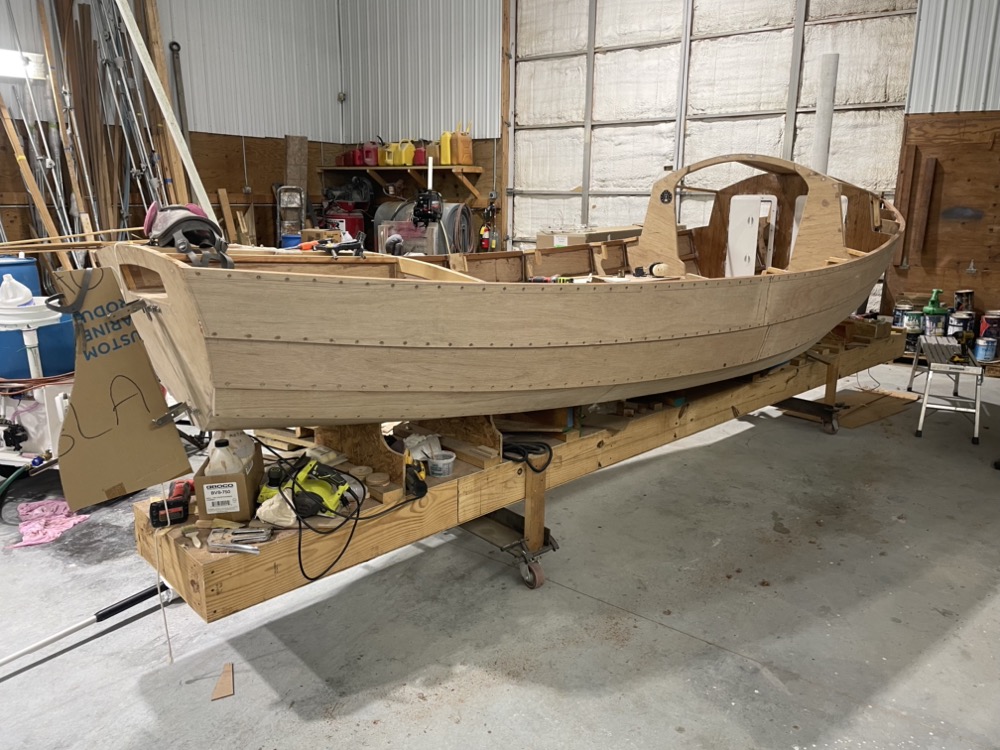
Planking is finally finished! Finishing the inside is going to be more difficult, but my wife has been out of town and I figure it’s a better use of the larger chunks of time I have. Between now and Christmas we’ll be non stop hauling boats out for the winter so I won’t have much time at all to work on it.

Piankatank River 2025

October 18th, 2025

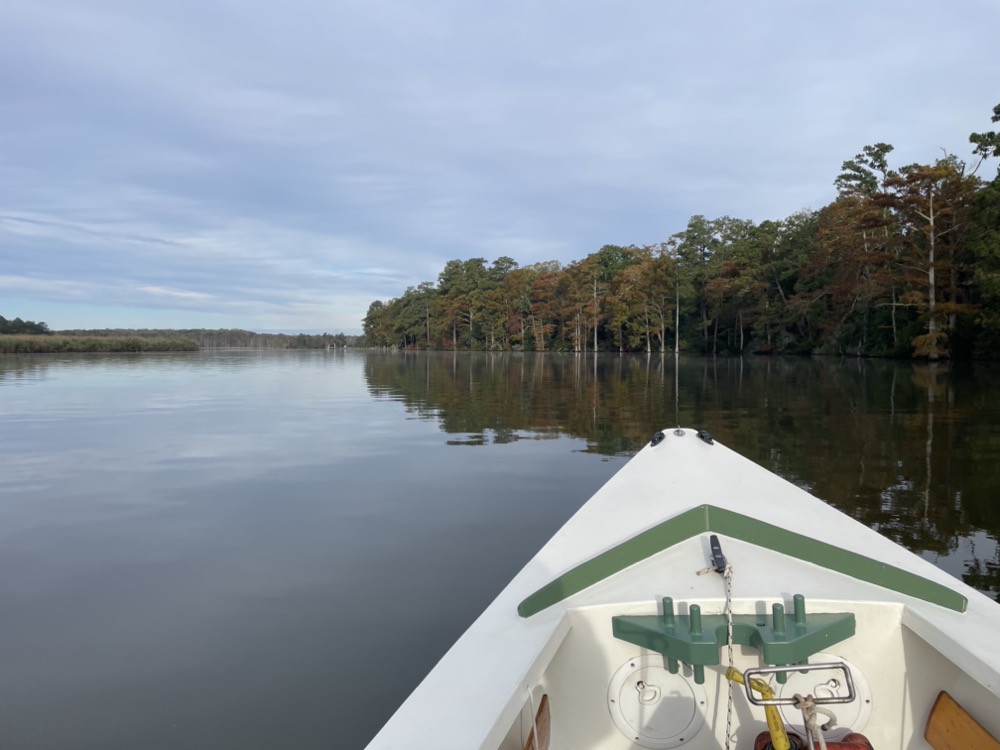
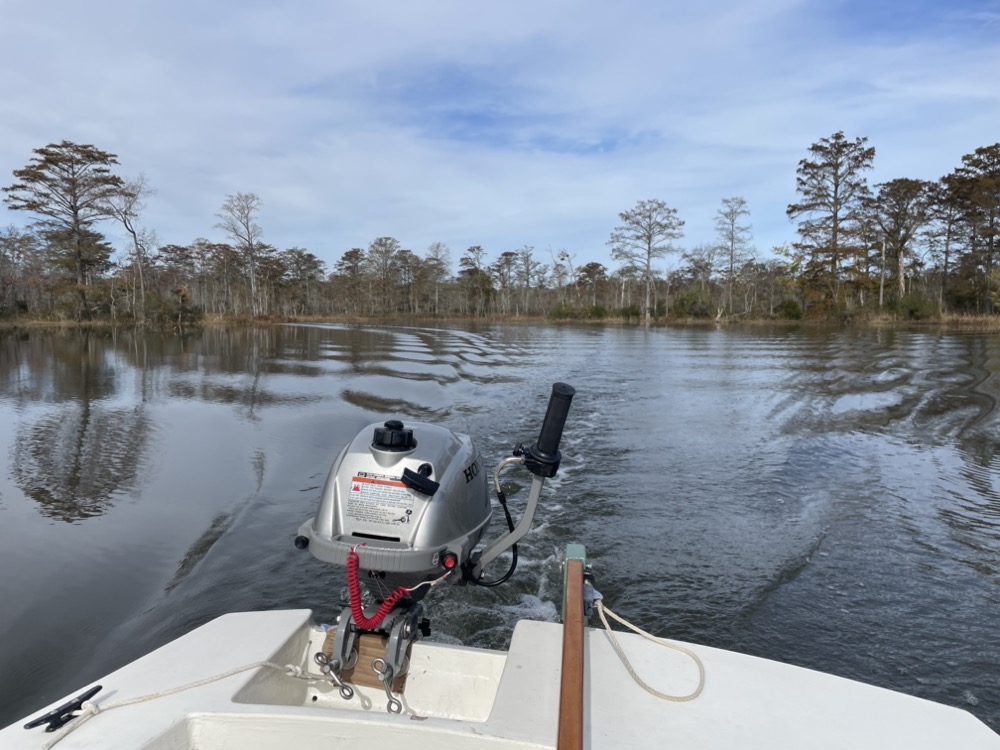
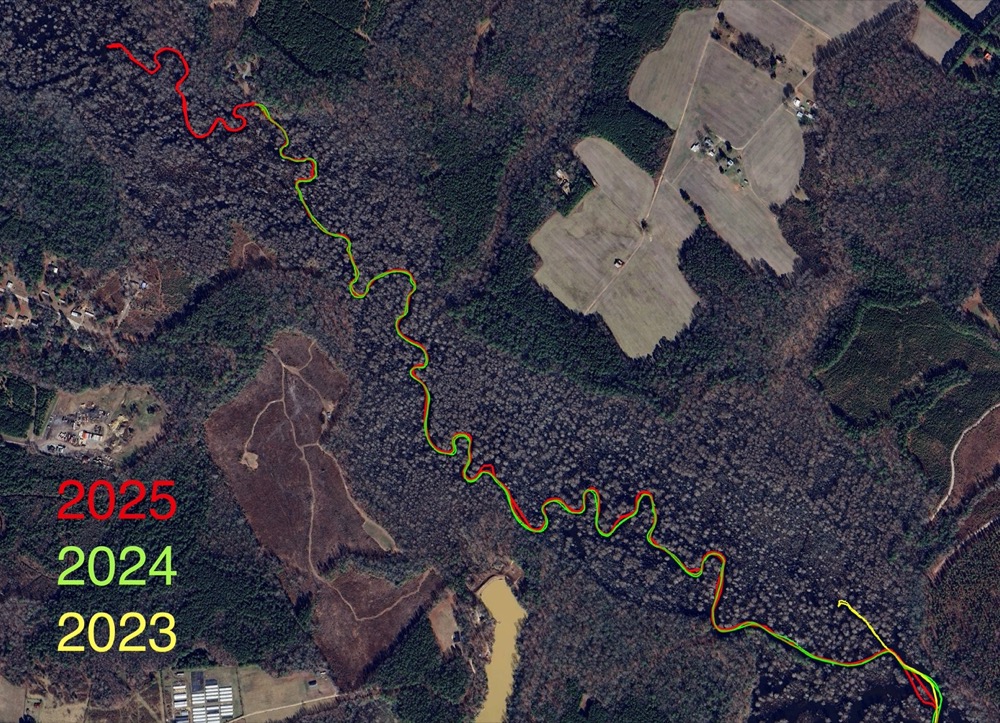
The last two years in the fall I’ve motored up into the Dragon Swamp at the head of the Piankatank River because it is just so beautiful. 2023 and 2024

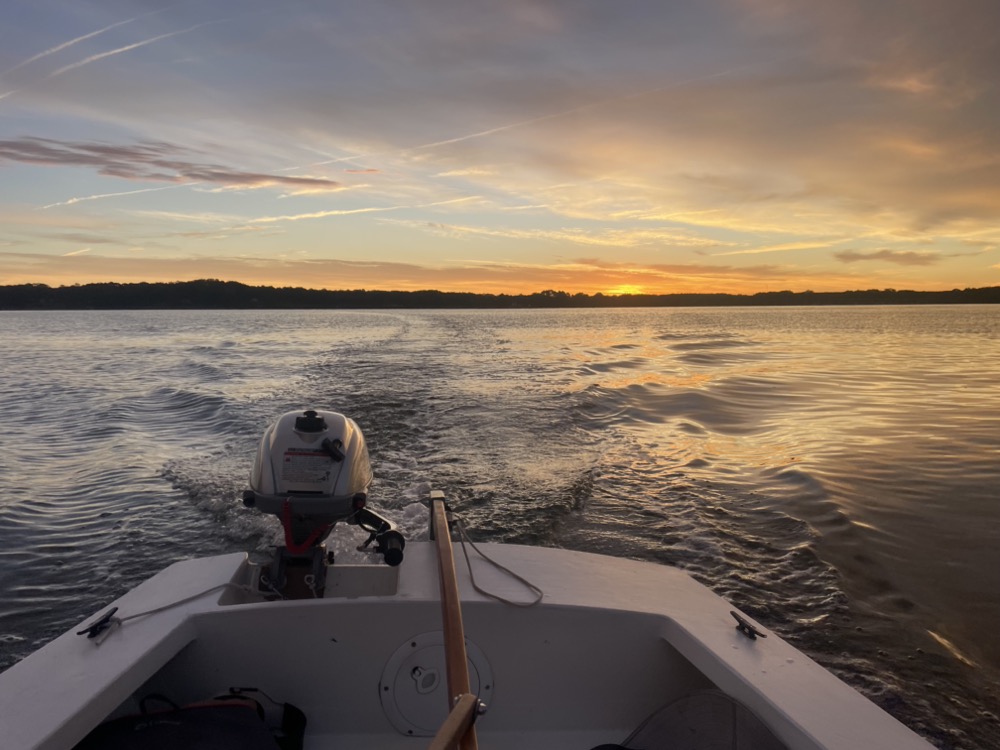
I left the boat ramp at 7am with a pink sunrise. Fifteen minutes later the sun started to peak over the treelined shore. Two older guys from Richmond were launching a jon boat and asked a few questions about mine.

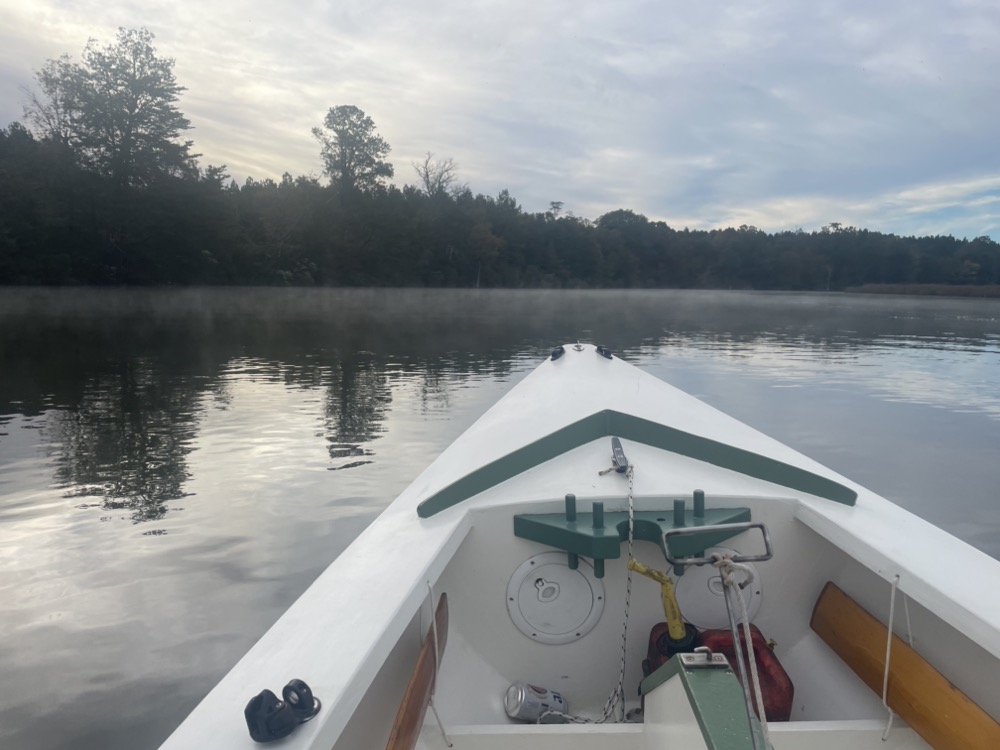
The morning was pretty overcast and rather chilly compared to the previous years. I ran into a patch of sea smoke up where the phragmites start.

Closer to the swamp I started hitting a line of towering cypress trees.

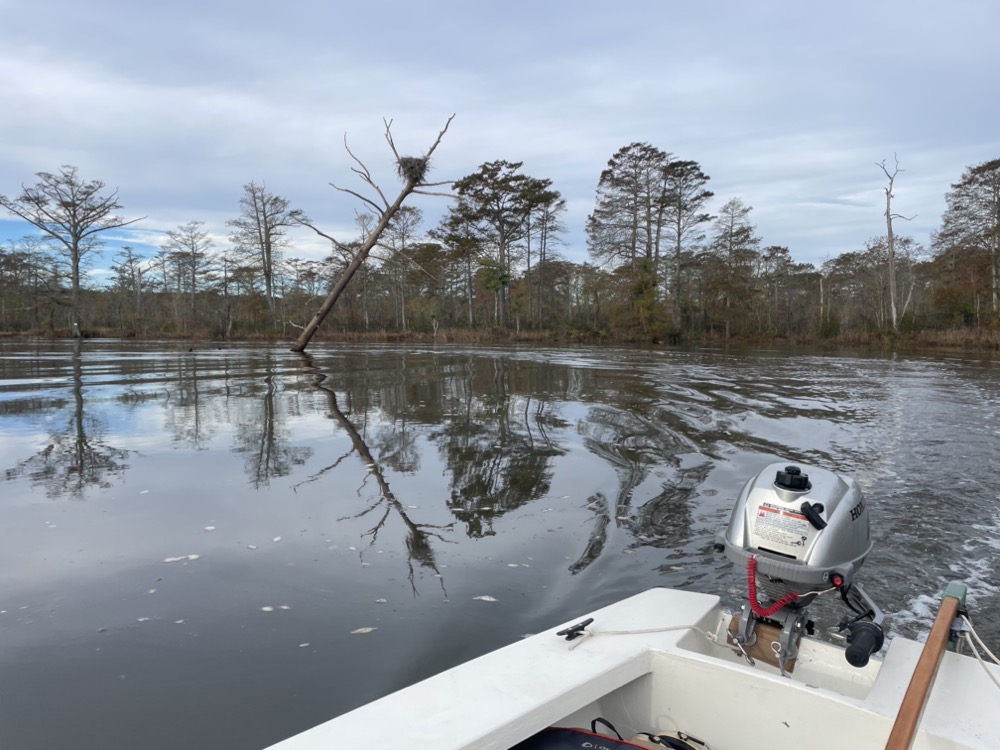
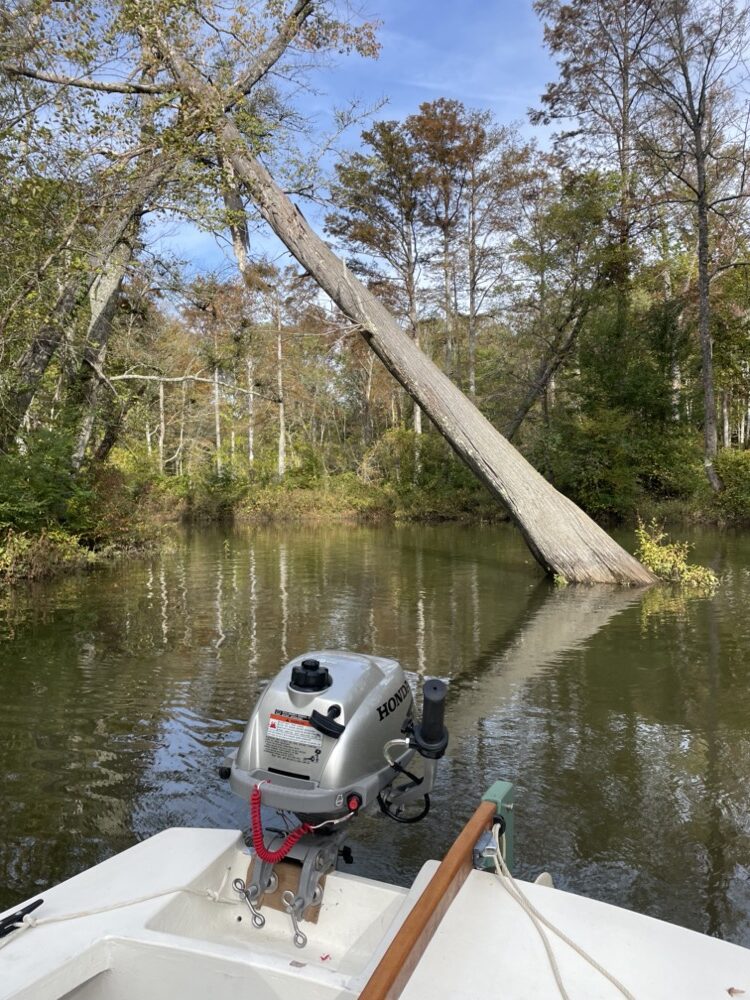
Soon enough I made a 180 around the leaning tree with an eagle nest which is where it really starts getting beautiful.

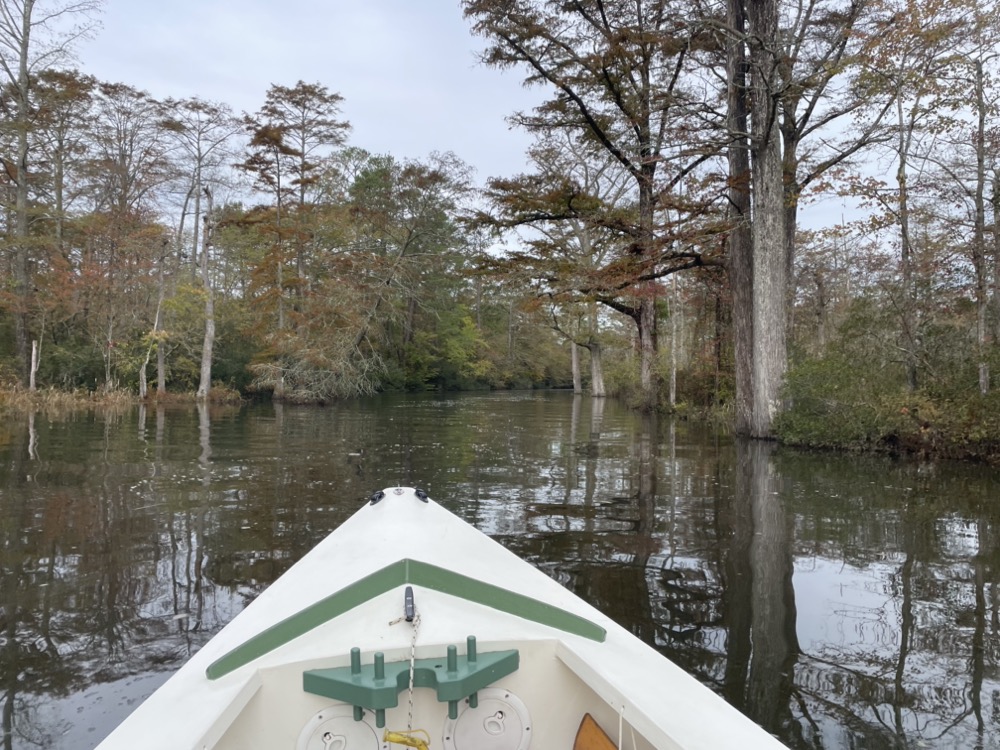
Pretty quickly the river narrows down to about 50 feet.

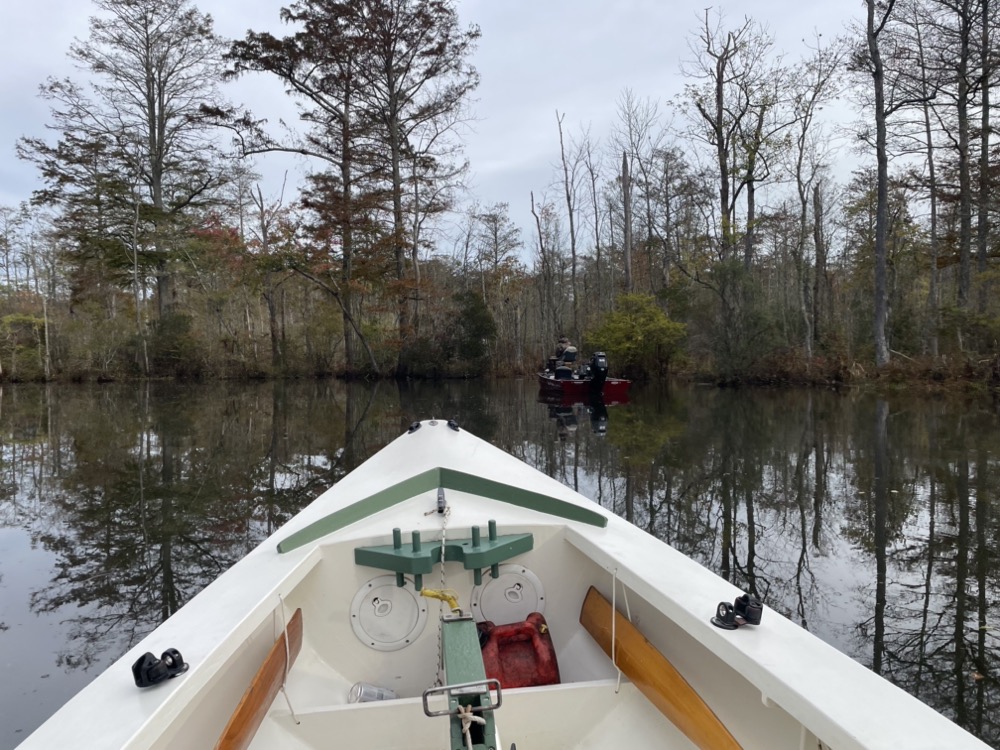
Like previous years I came across a few guys fishing. Funny enough, this is the same guy I took a picture of last year!
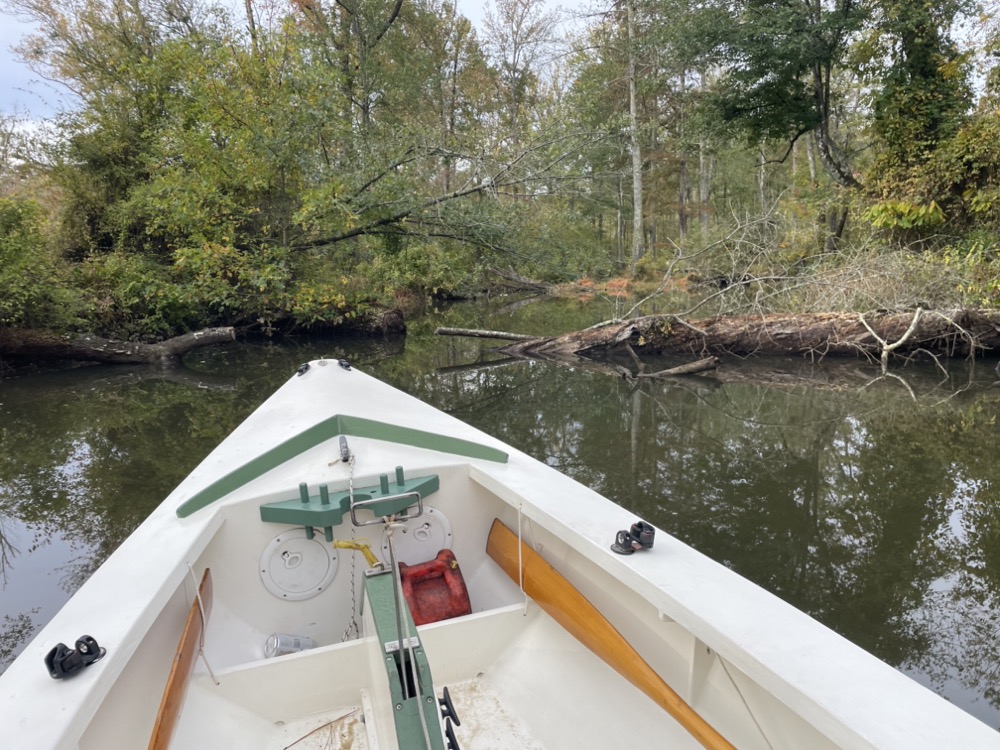
This year the tide was in my favor and we’d had a really wet couple of months so I managed to bump my way over the log that stopped me last year and make it into new territory.

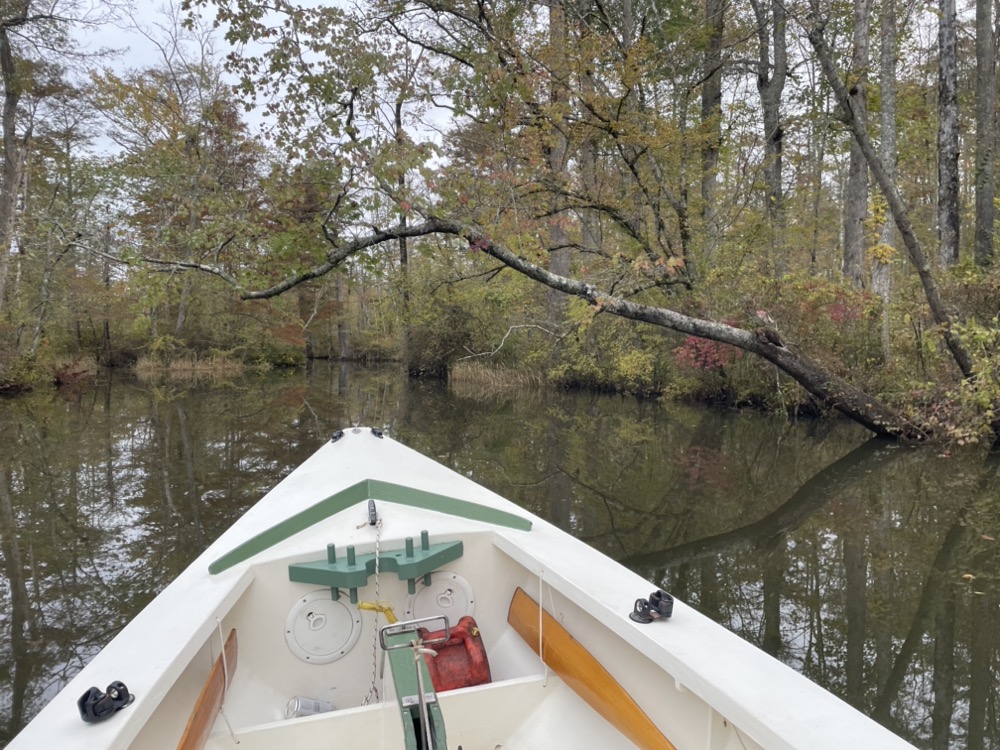
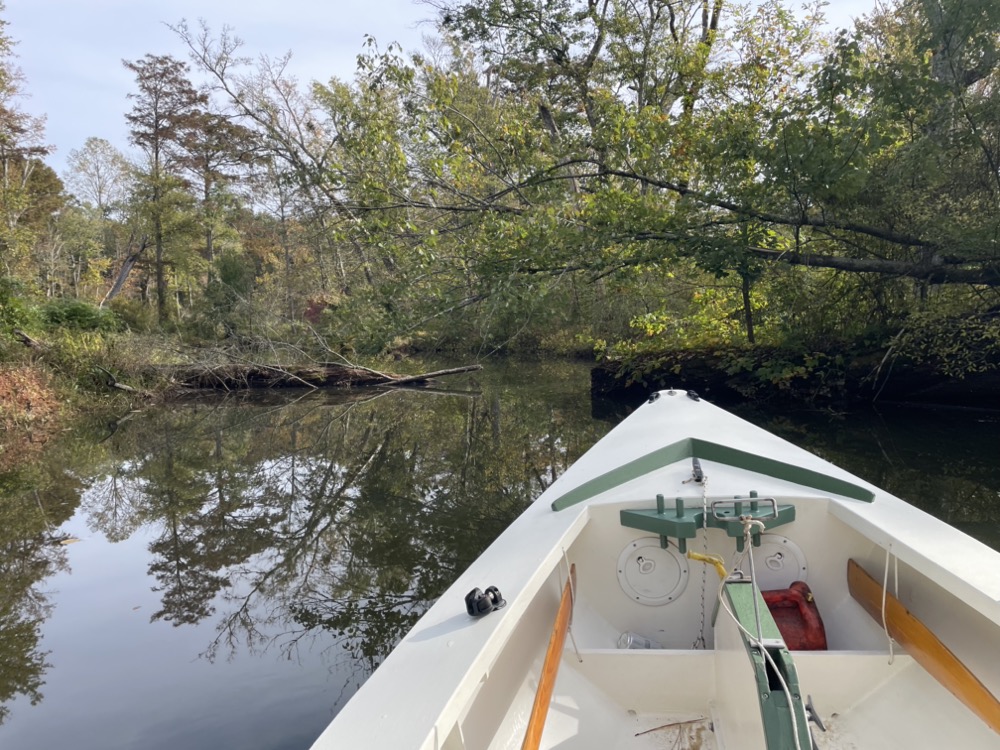
This stretch of river is definitely canoe and kayak oriented with little holes cut into fallen trees. I just barely fit through this section. There are way more shallow logs that I had to bump over too. Generally I managed to get the motor into idle before I hit them and it popped the motor shaft up.

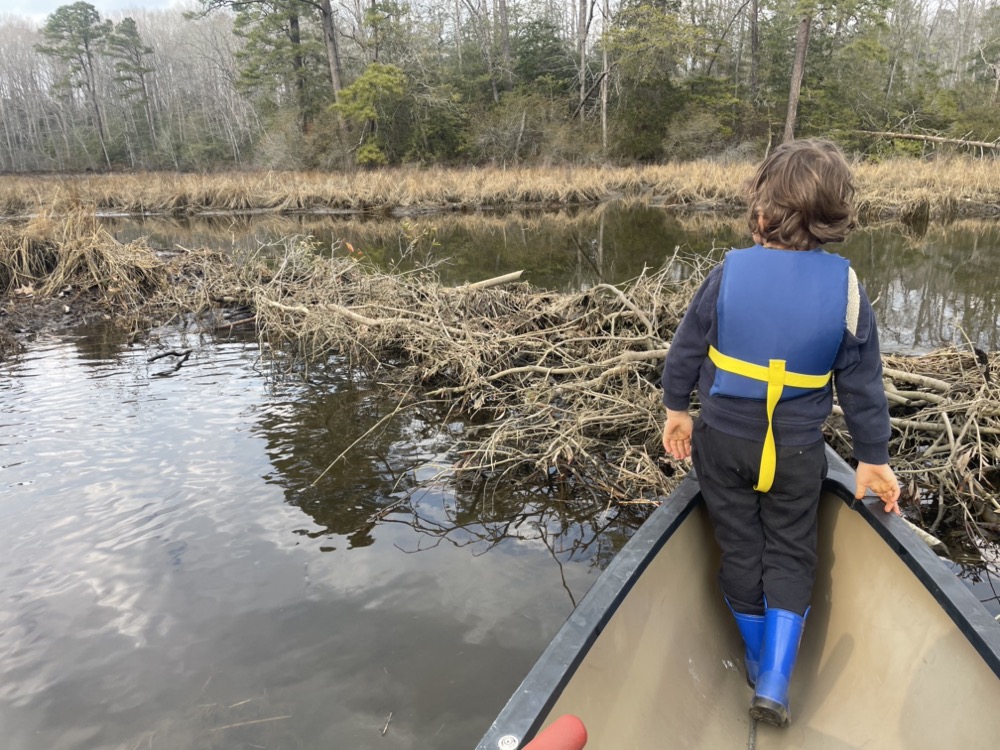
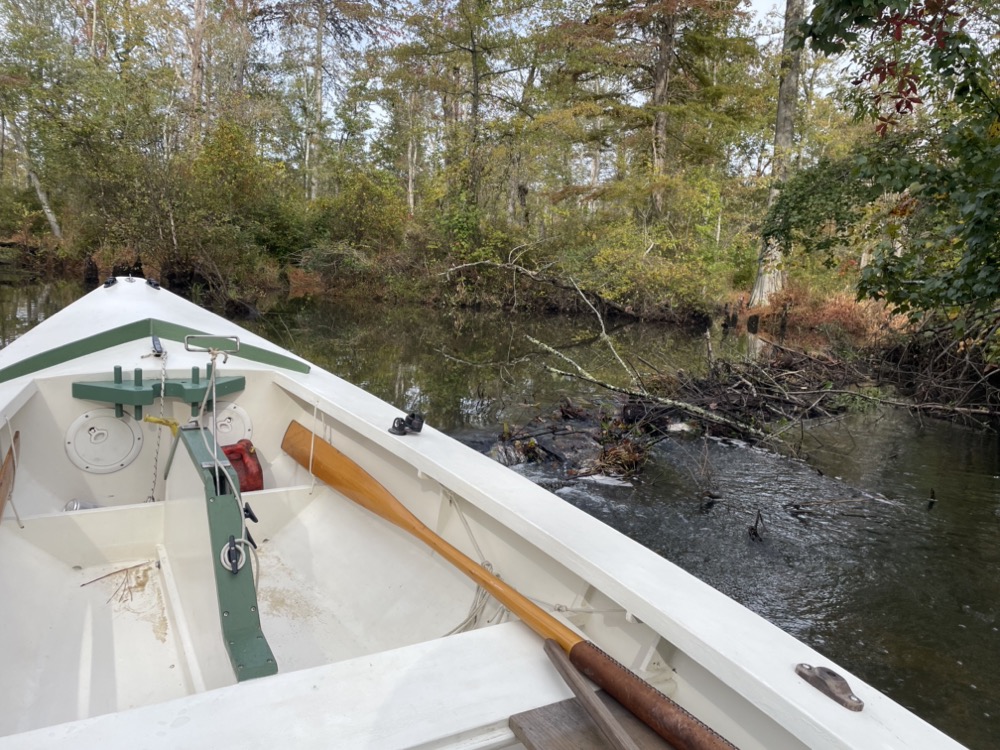
Eventually I ran up on a beaver dam 1/2 a mile further along than last year. I ate lunch and listened to the gurgle of a pretty impressive flow of water. I wonder how or even if the tides affect the water level this far up. Maybe next year I need to pull the boat over the dam and see what’s past the bend!

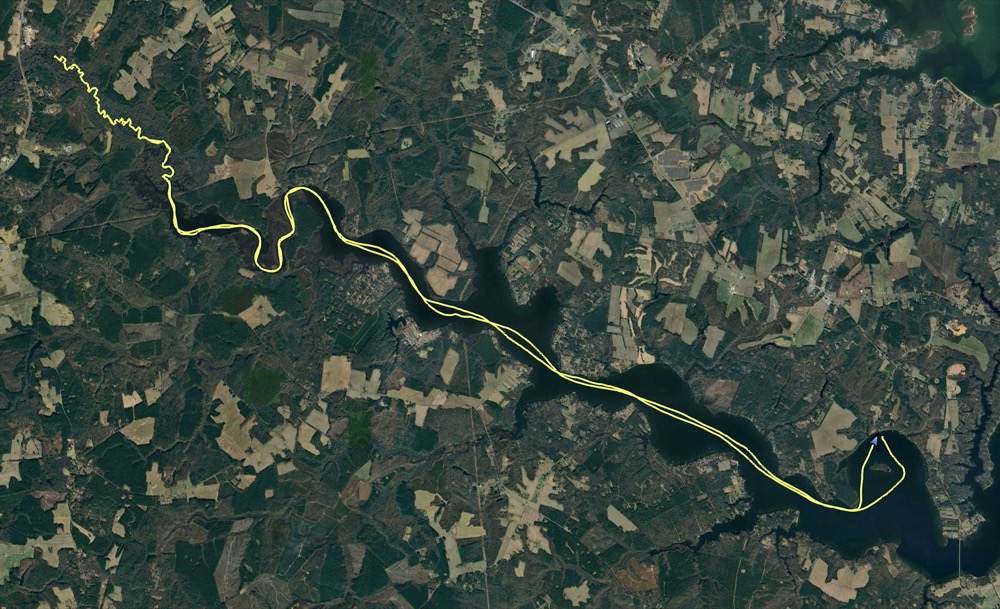
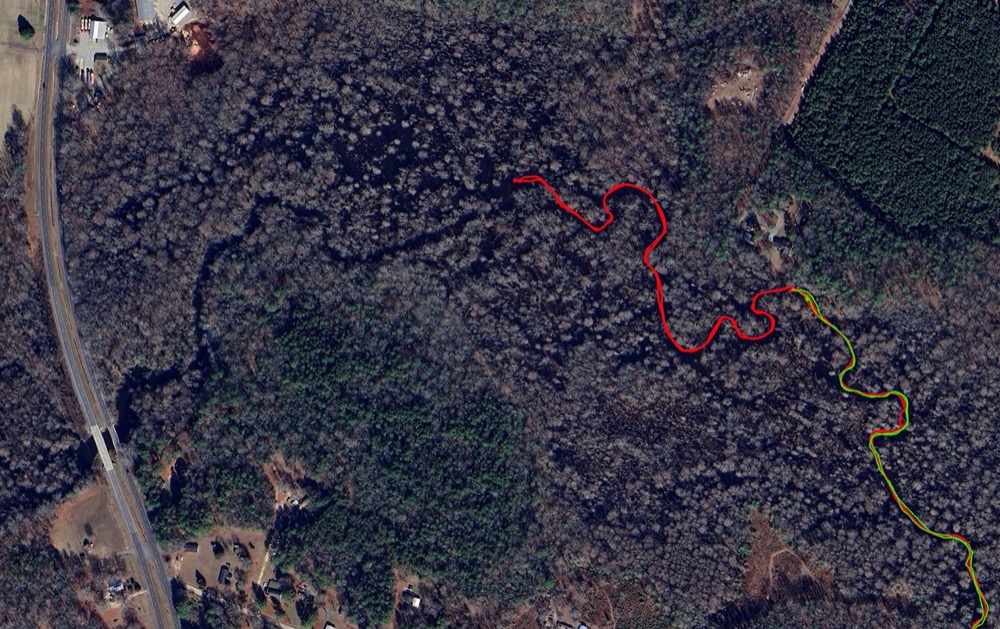
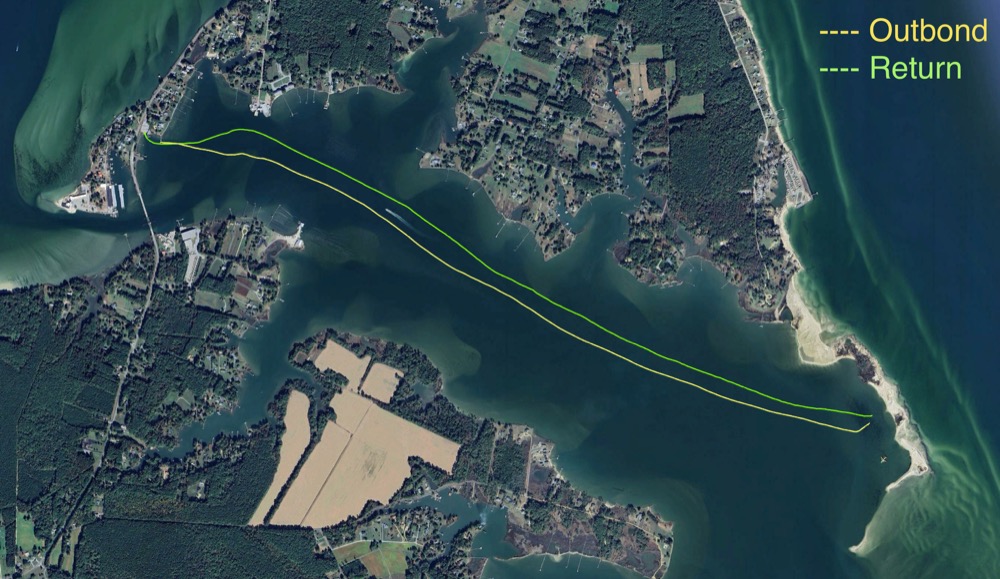
1/2 mile further from last year’s green track and 1/3 of a mile from Route 17.

Coming back through the tightest spot on the river.

It’s really hard to show how beautiful it is in pictures. I’m sure rowing or an electric motor would be even better since I’m sure there’s a lot of birds to listen to.

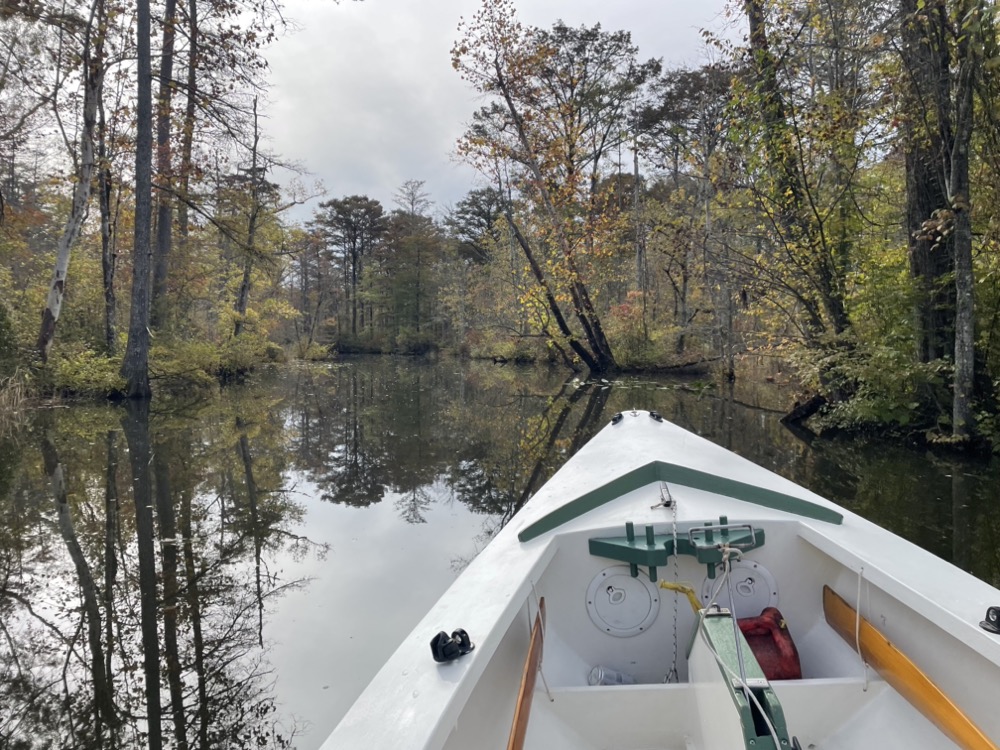
Sometimes it was hard to see what was river and what was forrest with all the reflections.

Heading out of the swamp back into the wider river. For whatever reason this trip felt just a touch less awe inspiring than last year. I’ve been wondering if that’s because it wasn’t new and unexplored? Or was it the weather? I guess I’ll have to see how I feel next year! It seems to be becoming a yearly thing.
Back at the ramp at 1pm. I hauled out just after the two guys from Richmond in their jon boat. The day was getting warmer and overall was quite pleasant.

This year I went 29.1 miles in 5 hours 44 minutes. Average speed was 5.3 mph with a max of 6.9 mph. Since the tide was with me this year my fuel mileage was better. I did 10.7 miles on the 1 liter fuel tank at an average of 6 mph, so that works out to 40.5 miles per gallon and .15 gallons per hour.


Long Steps Build #12

Next I installed the rudder hardware and made a mockup of the rudder head. I plan to weld it up from aluminum so it will all be one thing instead of building it up from plywood and bolting on the horizontal top that the push/pull rods from the tiller attach to.

Up forward I epoxied a doubler and some 5/8″ fiberglass pipe through the hull that will take a drain line from the mast box. I think the plans call for running it aft through the bulkhead and into the cockpit area, but I figure this will be tidier.

Then I put a big fillet between the bottom and lowest plank, two staggered layers of 12ox fiberglass tape, and then 6oz fiberglass cloth on the inside of the hull.

Here’s the port seat front installed and the top dry fit. The centerboard case makes up the front of the starboard seat.

It seemed like the centerboard case was the next logical thing to make, so I started on that. The edges are white oak and it was a lot of fun fitting everything together.

I wanted to help lock the frames in a little better before cutting the centerboard slot so I put on the next set of stringers. Here I’m scarfing the last foot or so on. The centerboard case is also finished on the inside and glued together. Two paint sticks taped together with a suitable radius worked ok for putting a fillet up inside.

Speaking of finish, I’ve been thinking about how to finish the plywood and especially the parts that will be impossible to get to like the inside of the centerboard case and the water ballast tank. I want this boat to be pretty bombproof so I decided on three coats of epoxy and two coats of Pettit Protect barrier coat. I put a single coat on a sample of plywood and buried it along with a control in the mulch of my wife’s flower bed. After a few months the control was soggy and starting to get soft while the other felt as light as ever and I didn’t see any signs of cracks or swelling. I’ll let them continue to marinate and see what they’re like in a few more months.

Next I cut out the slot for the centerboard case. It gets filleted and tabbed into the hull. I was pretty anxious and procrastinated a lot on my first boat before cutting the slot, but on this time I just measured and went at it with the oscillating saw.

Here’s the case dry fit. I also scribed the seat top to the curve of the stringer and added a 3/8″ doubler around the edge.

Once the case was installed I made a cardboard pattern for the next plank.

Then I scarfed up a 24′ long sheet of plywood and cut out two planks.

And here they are dry fit. I’m enjoying the height and angle of this plank since I could do all the drilling and screwing while sitting in an old rolling office chair.

And here’s the stringer beveling setup in action. It works really well and so far I’ve been able to avoid hitting any of the screws.


Gwynn’s Island III 2025

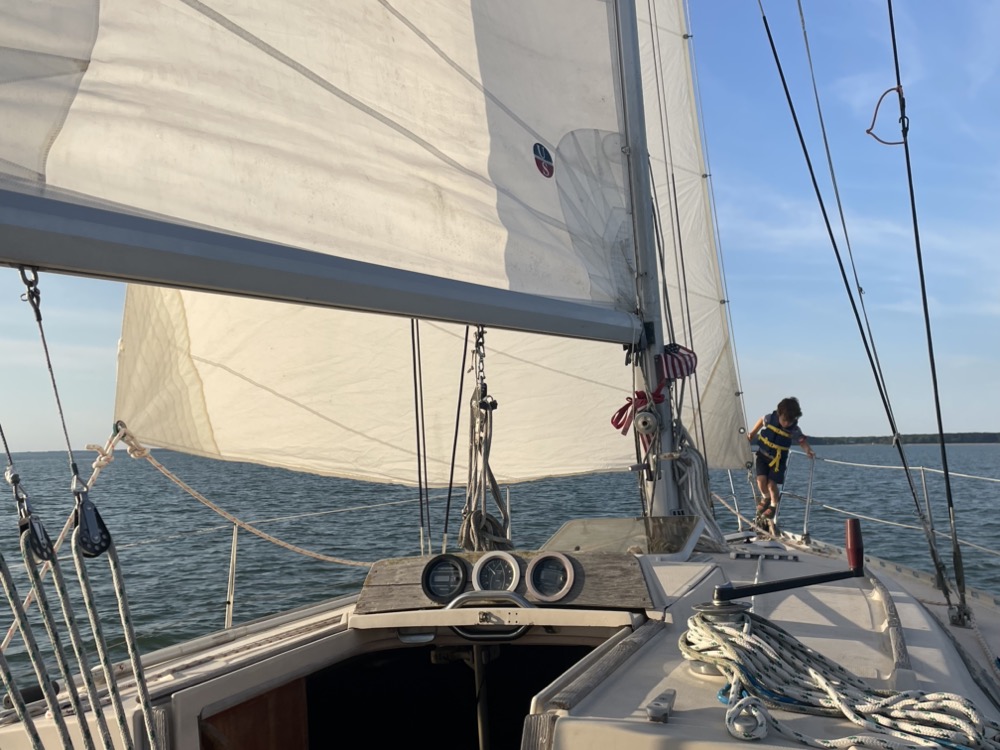
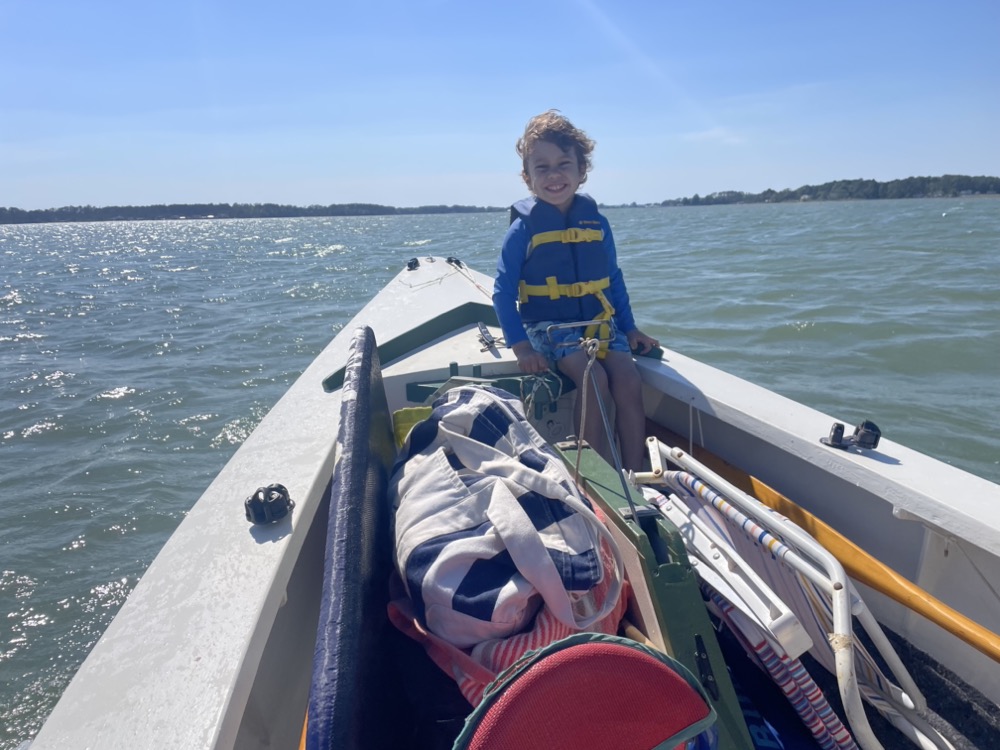
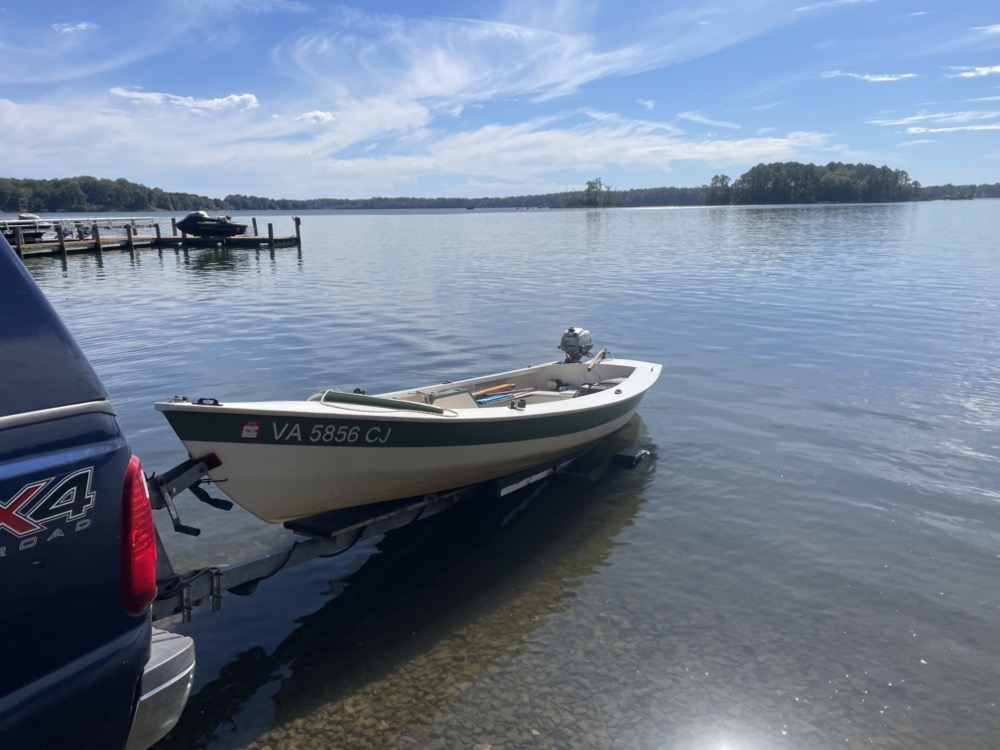
Launching at the public ramp. Henry really likes riding the boat into the water. My stern cleat hitch came loose while I was pulling the boat off the trailer so I tied a bowline on the end and got him to drop it over the cleat. Crisis averted!

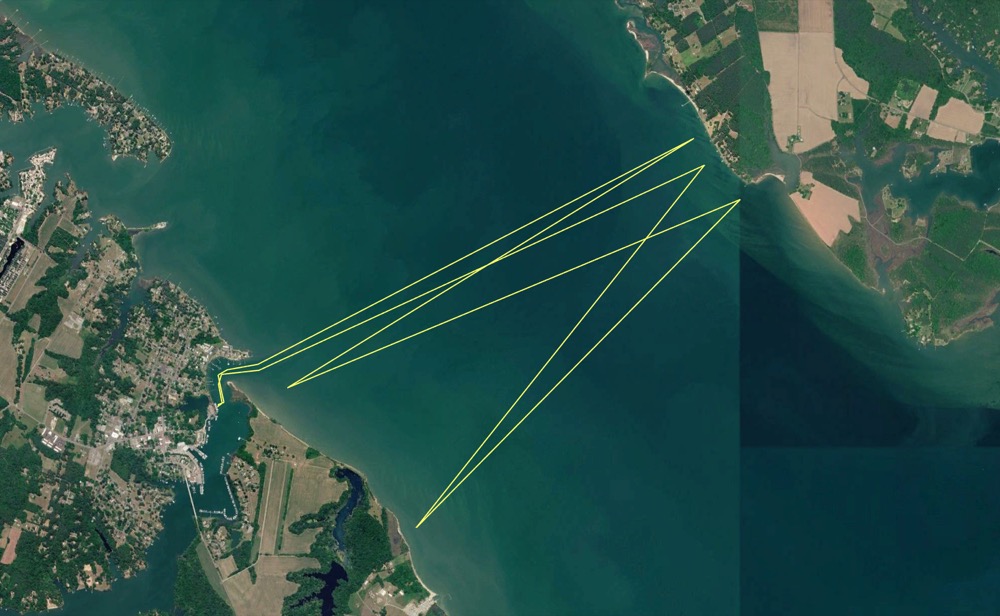
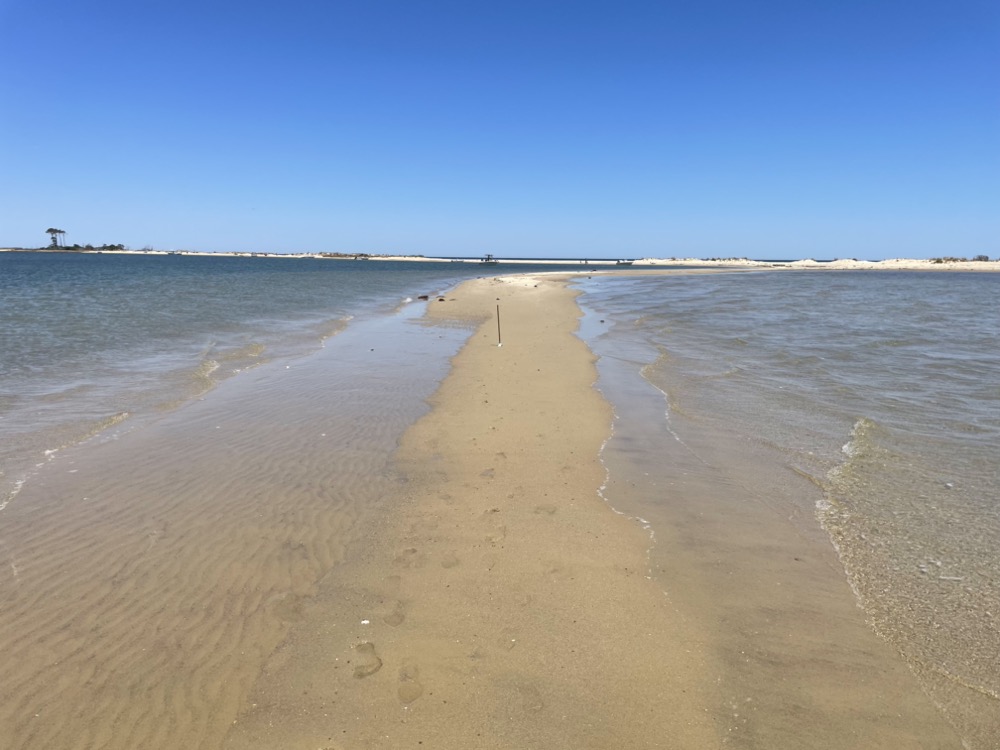
A past GPS track out to the sandbar. It’s about 2.5 miles one way.

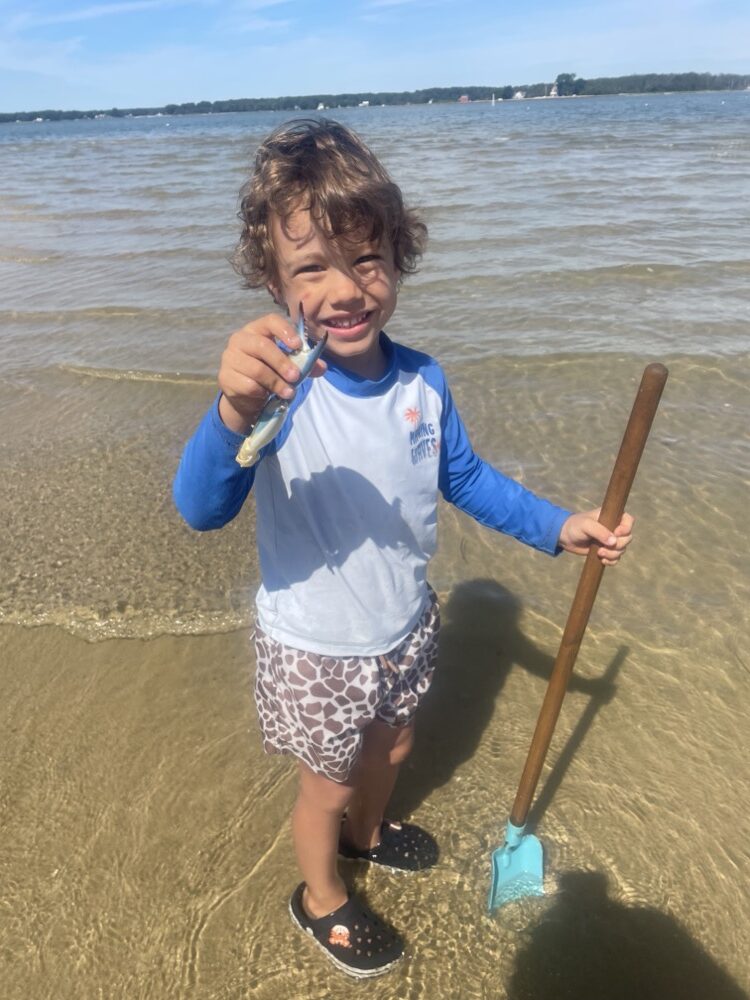
Out at the beach this striped burrfish washed up on shore in front of our tent. I tried to get Henry to hold him but he was “too spiky.” I put him back in the water and he eventually fluttered off. Apparently they’re pretty poor swimmers.

Tons of boats out there! Later the tender (a full blown Boston Whaler) to this guy squeezed in between me and the RIB.

Back at the ramp I’ve found hitting the fuel cutoff lever just before the fake lighthouse will give you about 30 extra seconds of idling at the dock before the carb runs dry. I came in, snagged a piling with the stern line, and settled in against the dock all in one smooth go. Then I had the trailer in the water and the boat out in less than five minutes. Everything went about as well as I could hope for and I didn’t give the patrons at the restaurant anything to laugh at.

Gwynn’s Island II 2025

Friday evening I asked Henry what he wanted to do on Saturday and he said he wanted to go back to the sandbar. So Saturday morning we got the boat loaded up and headed back out there! I let him steer while we idled through the no wake zone which he enjoyed. He hasn’t quite figured out you need to move the tiller opposite of where you want to go, but we’re working on it! As we got closer to the island we saw a ton of kayakers and paddleboarders. I later found out it was an organized circumnavigation of the island.

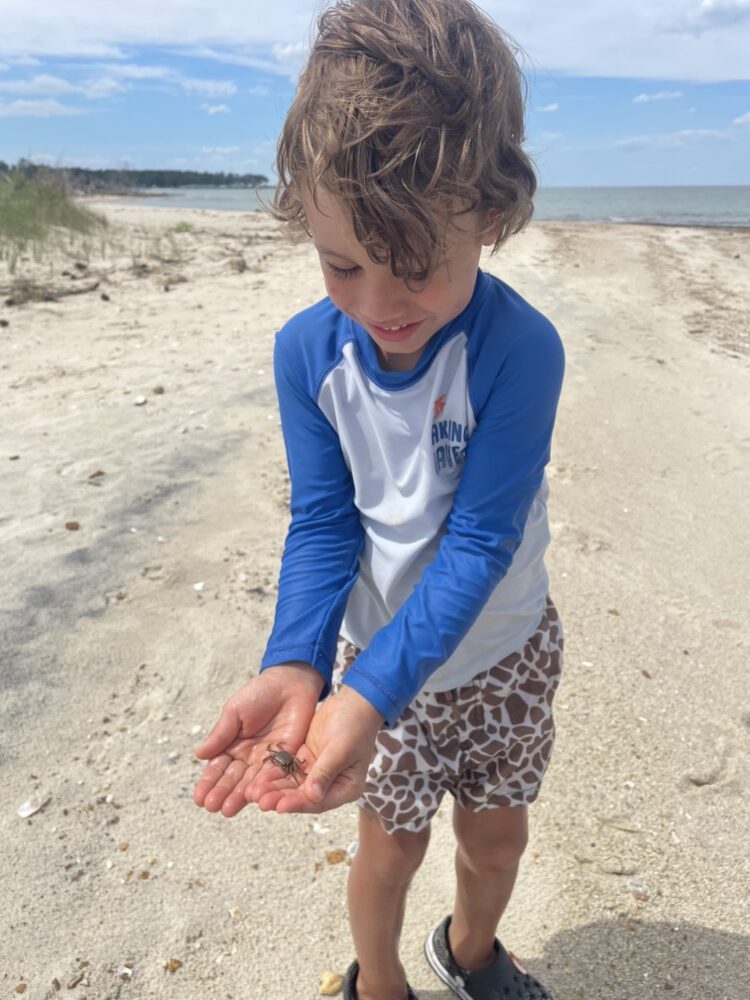
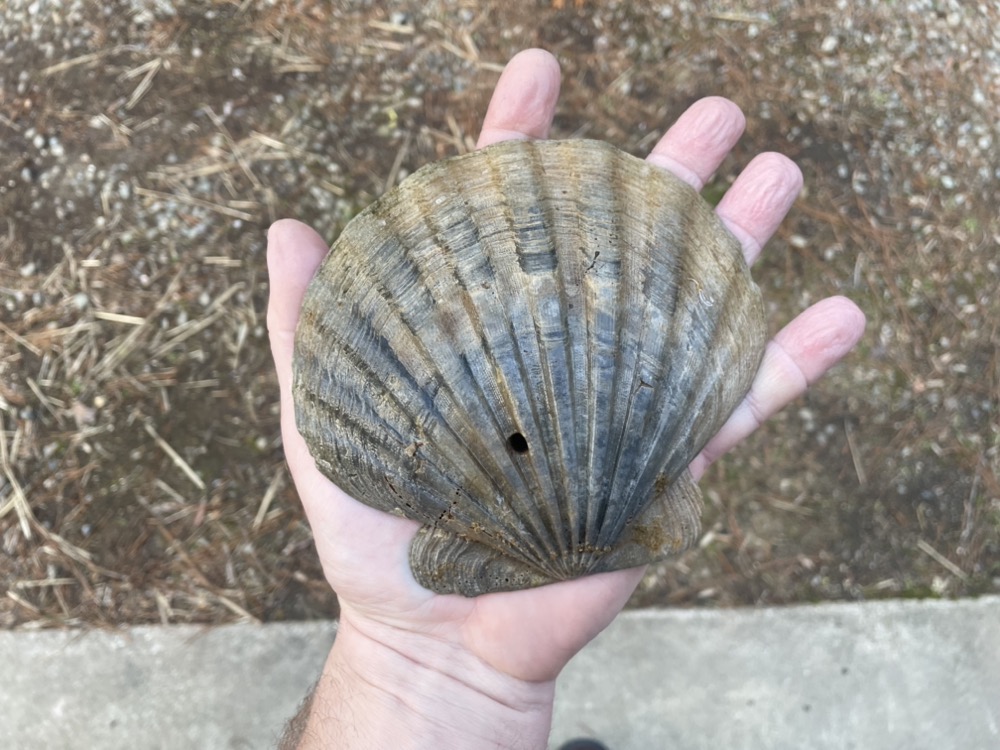
We got out to the beach by 9:30am and had it all to ourselves so we took a walk to the point. I usually try to collect litter I come across, mostly because it doesn’t belong but partially so I don’t feel so bad if I accidentally lose something. This oyster struck on a beer can and washed up on shore and I was a little conflicted. Eventually I decided he was still alive since the shell wasn’t open, so I pitched him back into deeper water. Good luck little guy!

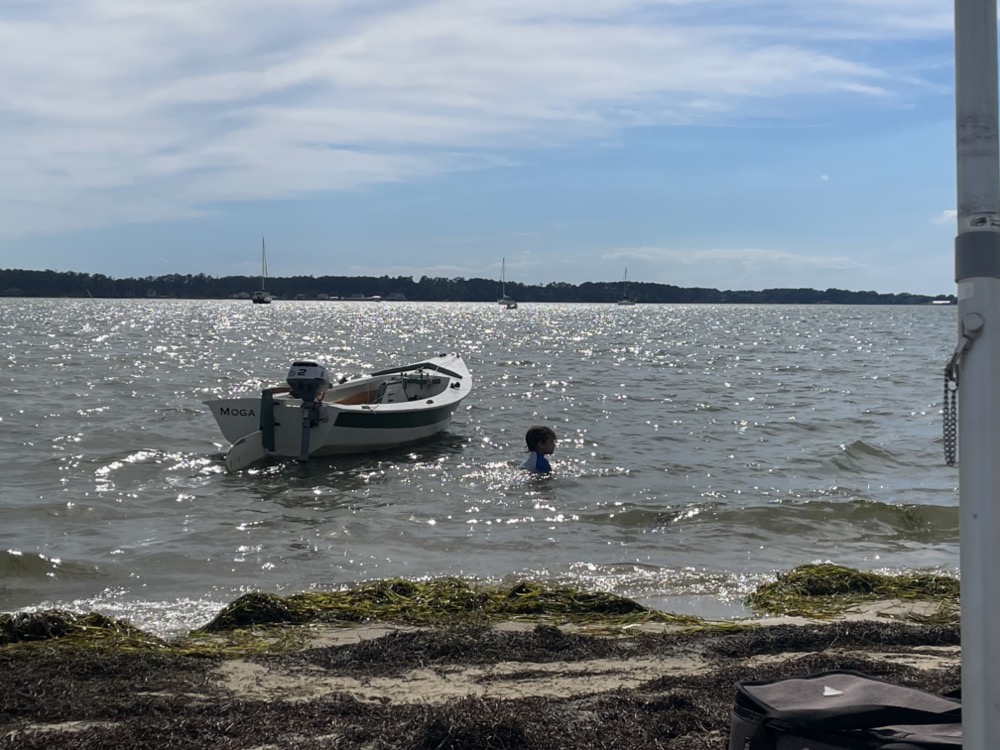
Henry is still towing his boogie board around and anchoring it with a plastic shovel. He was having a harder time getting into the boat since the water was deeper so I made him a rope ladder out of cedar driftwood I cut with my Leatherman. It kind of works, but the rungs want to go under the boat when he stands on them. Maybe I should make some sort of rigid ladder that hooks onto the inner deck carlin.

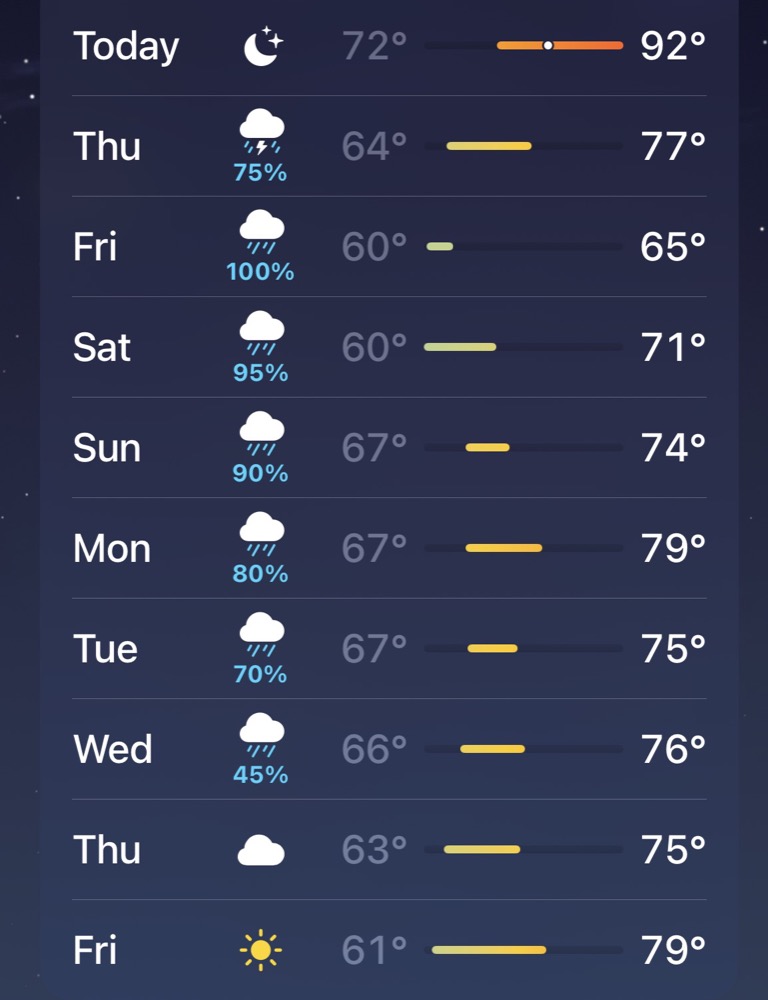
It wasn’t supposed to rain, but as the day went on I saw some dark clouds developing across the water. I really started to doubt the forecast when the far shoreline started disappearing. A small rain storm popped up and headed over to the island.

It rained pretty good for about 45 minutes.

Luckily there was no wind and our umbrella did a good job of keeping us dry. I pulled my boom tent out of the boat to wrap up our pile of beach gear. It was interesting watching other people hide under smaller umbrellas or under the bow of their boats. The rain made a really funny sound on the hard styrofoam of the boogie board.

I managed to finish up Bernard Moitessier’s The Long Way that I started last week. I’ve got to say it went downhill quick after his decision to abandon the race and continue around to Tahiti. I had to skim through some of his philosophic ramblings and it was disappointing that it only took a handful of pages to cover 10,000+ miles. I did enjoy the appendix where he details what he carried and why and how his boat was rigged. All in all, probably worth reading if you come across a copy, but I wouldn’t rush out and buy one.

Eventually we decided to pack it up and head back. I later saw this video from a drone that must have been taken just as we left out of frame. I saw the paramotor fly down the beach and in the second clip you can make out the inflatable raft that was beside us.

Gwynn’s Island 2025

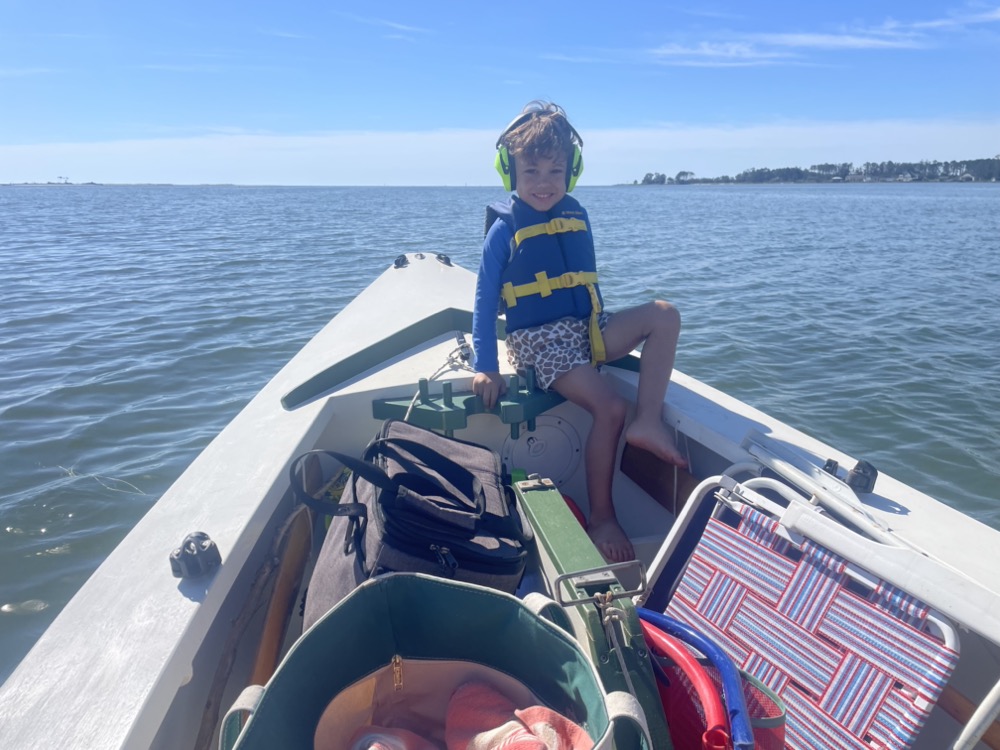
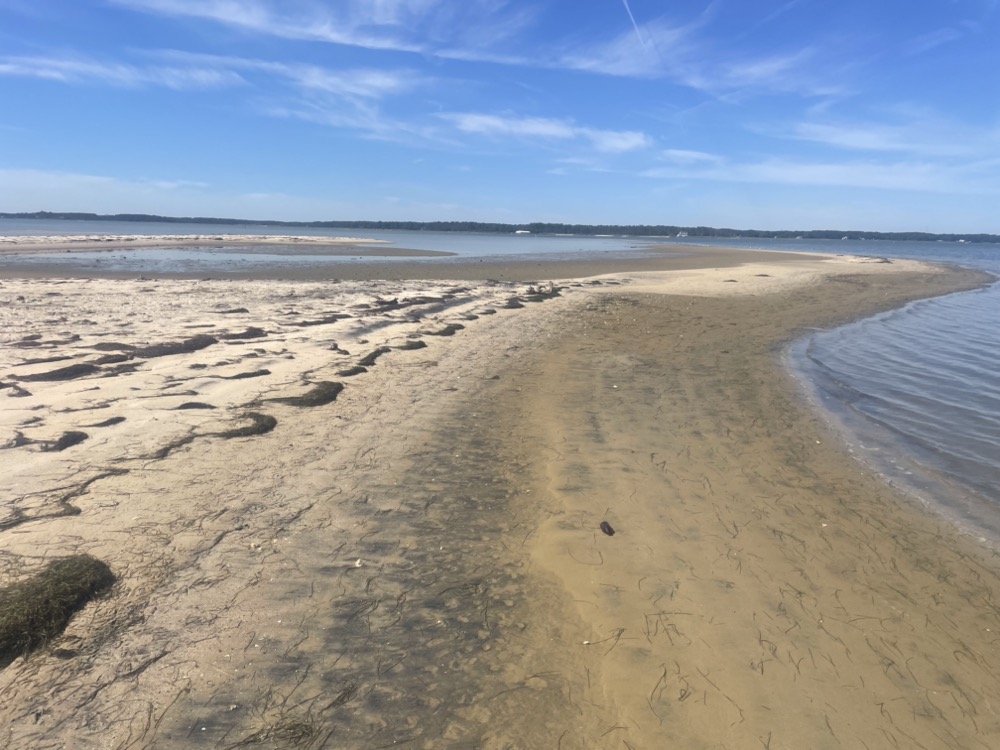
My wife, son, and I took the boat out for the first time this year! It was a quick 2.5 mile motor over to the sandbar below Gwynn’s Island. I used my new (to me) Honda 2hp outboard and it did a great job compared to the British Seagull or my trolling motor experiments. I averaged 6.2 mph although the wind was favorable in both directions. We left the dock around 8:30am with a 5 mph breeze from the west, flat calm for an hour around 11am, then the wind backed to the south east and picked up to 10-15 mph with higher gusts.
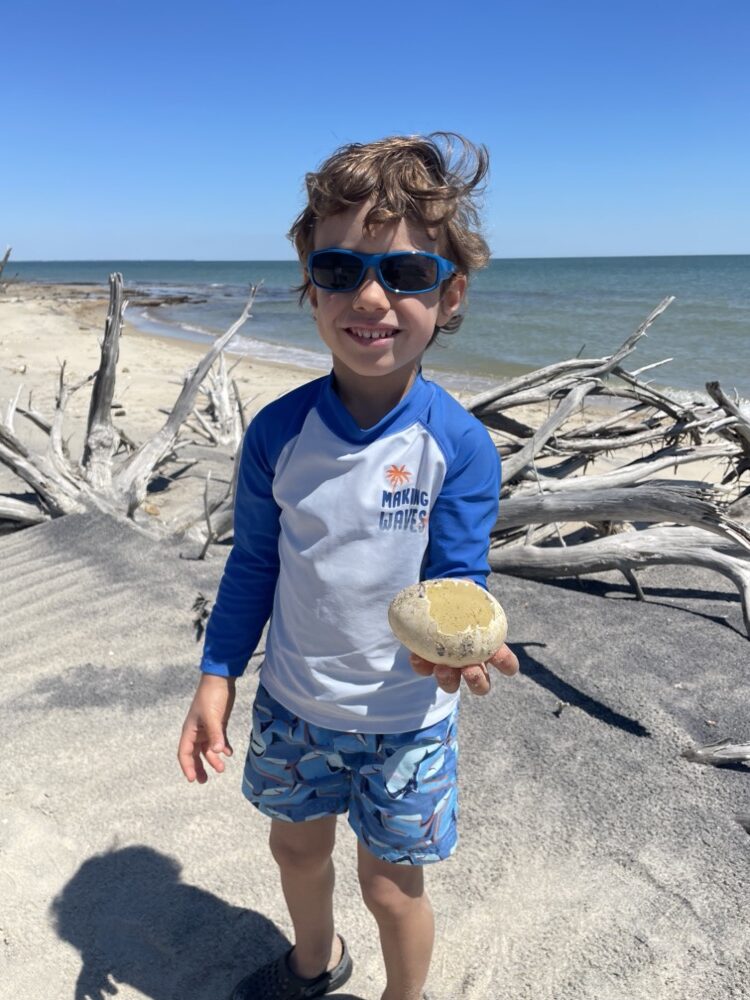
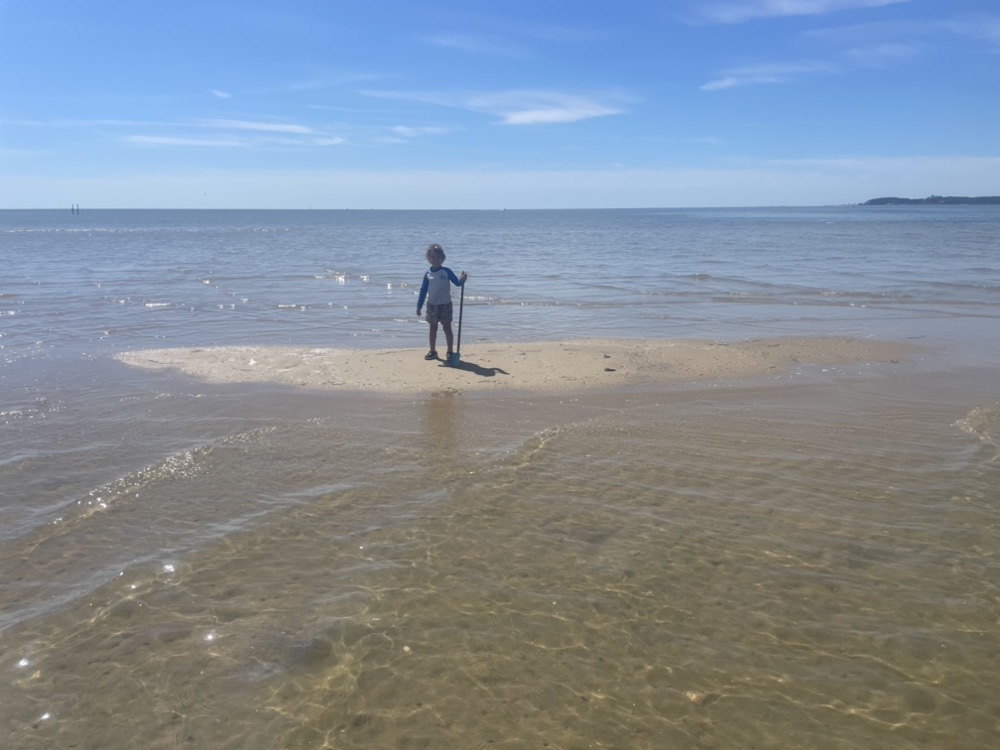
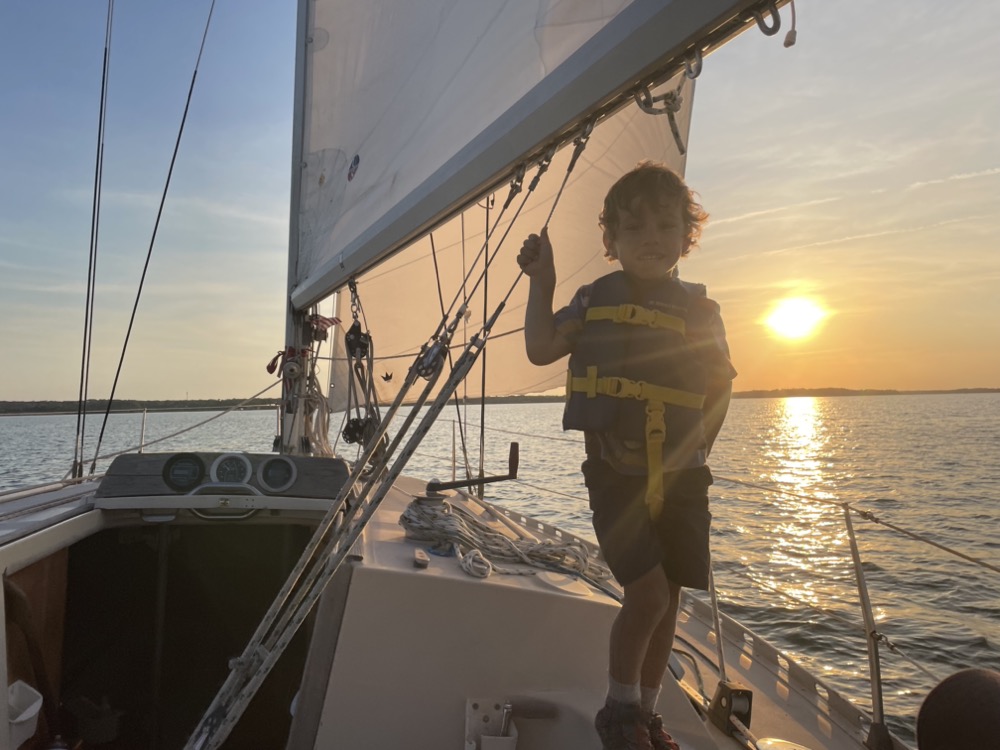
This year Henry is three and much more interested in doing things himself. He set out across the sandbar to explore, spent a long time giving his toys rides on the boogie board, and can get himself in and out of the boat.

As the boat spun nearly 270º I was interested to see what my homemade aluminum fisherman anchor would do. It eventually straightened itself out once the higher wind and choppier water arrived. I’ve been very pleased, it really digs in and holds well although the lazy fluke is a liability.

Henry can flop himself over the gunnel and into the boat now. It was fun watching him wiggle the tiller and climb all around.

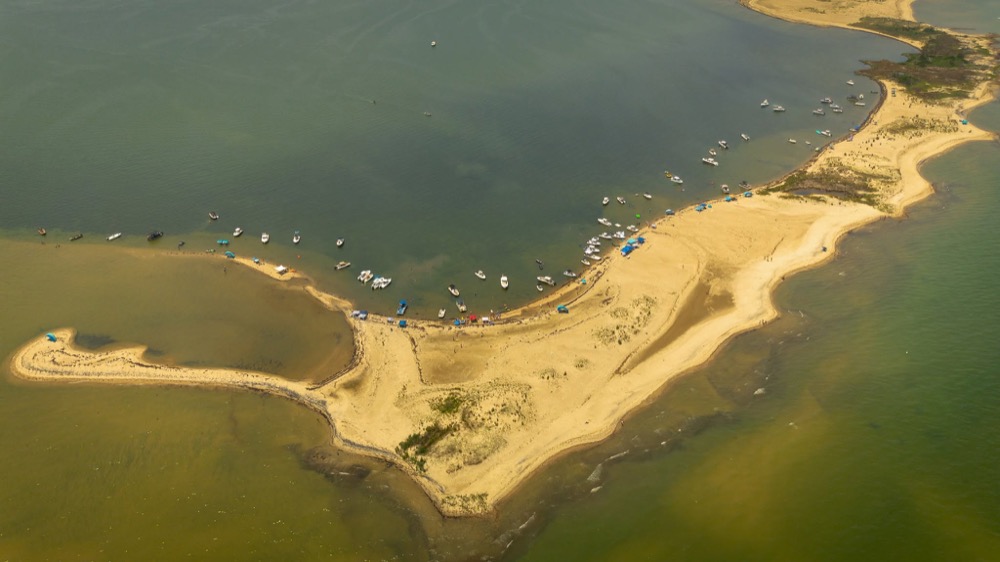
We were the only ones on the beach at 9am, but by noon everyone was out in force. This picture doesn’t do it justice, but there must have been at least 50 boats here. At a super conservative $20k per boat, that’s at least a million bucks. Pretty wild when I think that I built mine for less than $1,800.

I spent the day reading The Long Way by Bernard Moitessier which was a Christmas gift to me by a coworker I worked with for a couple months. We spent a day flushing coolant out of a pair of Volvo engines on a Mahe 36 catamaran and got talking about sailing books we liked. I mentioned I enjoyed Tim Severin’s adventures and he said he liked Motessier’s account of the first Golden Globe race which was a solo, nonstop, around the world race departing from England in 1968. I got up to where he crosses Cape Horn and the Falklands and just before he retires from the race to make another lap in the southern ocean. It’s been an enjoyable read, but at times it’s a little too… something… for me. When he talks to animals along the way I can’t tell if he really believes they’re communicating with him or if it’s just a fantasy to entertain himself. Hopefully the next leg to his eventual landing in Tahiti is a good read too.

Eventually Henry announced he missed home so we packed it up around 4pm. He’d had a really busy day with a short nap and lots of excitement. By now the wind was pretty breezy but the protection from the sandbar was keeping the waves down.

Heading to the ramp. I idled into the dock, backed the trailer on a long S shaped approach in one shot, and had the boat out of the water in 7 minutes. Then another 9 minutes to transfer our loose stuff to the SUV and get the boat strapped down and prepared for the road. Not bad and I didn’t “muck it up” like a lady commented about a guy causing chaos earlier this morning.

Long Steps Build #11

Back in March we had an 80 mph straight line wind storm that took out a pair of trees close to the house. One hit the corner of the sunroom and the other took out my son’s play set and a zip line I’d built. So most of March and part of April were filled with rafter repairs, 2′ x 32′ of shingling, hunting down a leak that ended up just being rain blown under the unfinished soffit, cutting down and removing trees, and rebuilding the play set and zip line. Could have been a lot worse though! A house down the street had a couple huge oak trees fall on it.
After finishing house repairs and yard beautification for a visit from the in-laws I decided to work on the boomkin tube. I changed this from the designed plywood box to a 3″ PVC pipe for lack of maintenance inside and increased space in the aft compartment. After hole sawing and die grinding the holes I screwed on some 2×4 V blocks to hold the tube centered. I glued the tube in place with GFlex thickened with 404 after sanding to 80 grit, alcohol wiping, and flame treating. It’s pretty impressive how well the epoxy bonds to the PVC compared to a test piece with factory finish.

After the epoxy I packed into the holes cured I put a big fillet around the tube and cut and sanded the ends off flush. My plan is to epoxy a collar onto the boomkin so it will mate up to the angle of the transom which will keep it from sliding forward. Then a pin or some other mechanism in the cockpit area will keep it from slidding backwards. I’m thinking the boomkin will be hollow and the mizzen sheet will come through to a cam cleat mounted right onto the heel of the spar.

Next I dry fit a pair of hatches for the aft compartment. The plans only call for one, but by making the boomkin a PVC pipe I have enough room for one on the port side. The fasteners are just tapped #10-24 into 1/2″ holes of 404. Should work fine, but if not it’ll be easy to drill them out for through bolts.

Moving forward I drilled some holes to be filled with 404 for the hatches in the dodger.

Long Steps Build #10

I decided to add the next plank instead of fiberglassing the inside, so that means I need to bevel the stringers so the planks will lay flat. I briefly tried a hand plane and decided that was way too much work and too slow, so I rigged up a guide on my electric planer which did a really nice job. The bar is level with the sole of the plane and rides along the next stringer to cut a rolling bevel on the stringer and plank below. I gave this planer the full Louis Sauzedde treatment and it’s really been a nice tool to use. (https://www.youtube.com/watch?v=_a1HCqK5i-A)

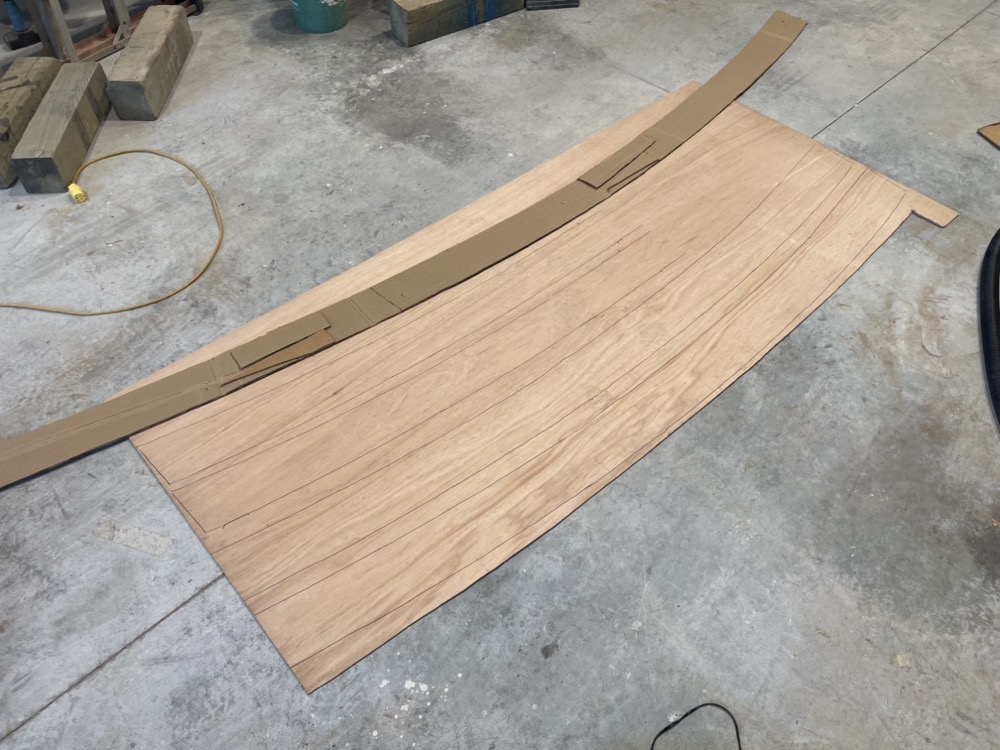
I was able to reuse my cardboard pattern with some slight modifications since this plank is narrower and has less sweep to it. I can’t really keep a 4’x24′ sheet of ply laying around the shop for ages, so I use the pattern to scarf up individual planks. Probably a little more wasteful than drawing them on a 24′ sheet, but I should have enough ply to do it. I’m getting more confident in my process so I’ve cut the excess margin from 1″ down to 1/2″.

Checking the fit. I clamp the plank in place, make a witness mark to aid future alignment on the stringer, and then trace the stringers onto the back. Then the lower mark needs to be offset the width of the stringer. I also chiseled out an ~8″ gain up at the stem so the plank will sit flush. Once this one is screwed down and dry fit I’ll take it off and use it as a pattern for the port side.

Eventually I got the two lowest pairs of planks epoxied on so now the hull is stiff enough to start finishing the inside while I can still lean inside easily. Once the inside is done I’ll put the remaining two pairs of planks on and the deck.


Long Steps Build #9

Next I made a plank pattern out of cardboard. I looked for some copper roves and rivets for the butt blocks, but in the end I just hot glued them on.

Using the cardboard pattern I scarfed up some ply to fit. After tracing I jigsawed about an inch oversize because I wasn’t sure if the cardboard would distort when I laid if flat. To clamp the scarf joint I used a group 24 battery sitting on top of a 2×4 wrapped in packing tape.

Once I got the port plank fitting nicely I used it as a template for the starboard side. I cut the top edge an inch oversize but the bottom edge fit the bottom panel almost exactly. Hopefully that means the boat is fairly symmetrical.

When dry fitting the port plank I found I had a bit of a pucker when I tried to screw the bottom of the plank up to the frames. I assume it was from distortion when I laid out the cardboard.

To fix it I cut a dart while the plank was on the boat and epoxied a butt block on. After this I used it as a template for the starboard side which fit really well.

After gluing the plank on I chiseled most of the butt block off and sanded the remnants out with a die grinder. Then I beveled out the ply and made a plug to fit. 36 grit roloc disks make short work of scarfing! This plank will have fiberglass on the inside and either fiberglass or possibly kevlar on the outside, so strength wise I doubt it changes anything.

And after a 5 hour marathon session I got the starboard plank glued on as well. I’ve been putting a small popsicle stick radius of thickened epoxy at every joint in the build to make painting and eventual cleaning easier and it’s incredible how time consuming it is. Especially since I try to scrape up all the excess so I don’t have to chisel and sand it off later.